Grains of Sand
Clint Roenisch Gallery December 14, 2025 - January 31, 2026
To see a World in Grain of Sand
And Heaven in a Wild Flower,
Hold Infinity in the palm of your hand
And Eternity in an hour.
– William Blake, Auguries of Innocence
Clint Roenisch Gallery is pleased to present an exhibition of new works by Jennifer Murphy (Cdn, b. 1974, lives Toronto). For more than twenty years Murphy has worked in collage, assemblage, and sculpture using upcycled and reclaimed materials. She examines the interconnectedness and interdependencies of the natural world, drawn to ideas around ecological mourning and rehabilitation.
Murphy writes, "For the exhibition Grains of Sand I have paired collage made from photographic images found in used books with elements from nature to reflect on our current world full of converging emergencies including the rise of fascism, disinformation, war and forced displacement, grave inequality, resource depletion, and the climate disaster, which are all exacerbated by colonial, capitalistic, and extractive forces. Through the lens of the polycrisis and the climate emergency I have been examining the interconnectedness and interdependence of these crises, the natural world, and each other as we face an uncertain and precarious future where the collective must prevail over the individual. My research has led me to investigate and make connections to the persistent resilience of rewilding at damaged ecological sites in the aftermath of war, environmental plunder and destruction such as Hiroshima, Chernobyl, the Cyprus Green Line, the Korean DMZ, Zone Rouge and Fukushima, the history of solidarity, its potential and connection to the sacred, and the power of empathy in the photography of Dorothy Lange, Tina Modotti, and Janina Mierzecka each of whom documented injustice and brought dignity to their subjects during an earlier period of crisis in the early twentieth century.
In my new works I hope to highlight our role and responsibility to the world’s fragile ecosystems and one another by harnessing an attentiveness through beauty, levity and wonder. Through the urgency of our moment, I employed a series of constraints to my usual maximalist approach to collage. I pared down my process, using minimal images and components while including images of hands and human connection to convey the tenderness and wonder that can be found in all of life's interdependencies. To navigate and survive our world today and to grasp these complex interconnections inherent to it we must embrace solidarity, empathy, wonder, and a radical persistent resilience to imagine a more caring, collective future."
The artist would like to acknowledge support from the Toronto Arts Council and the Superframe Framing Fund.
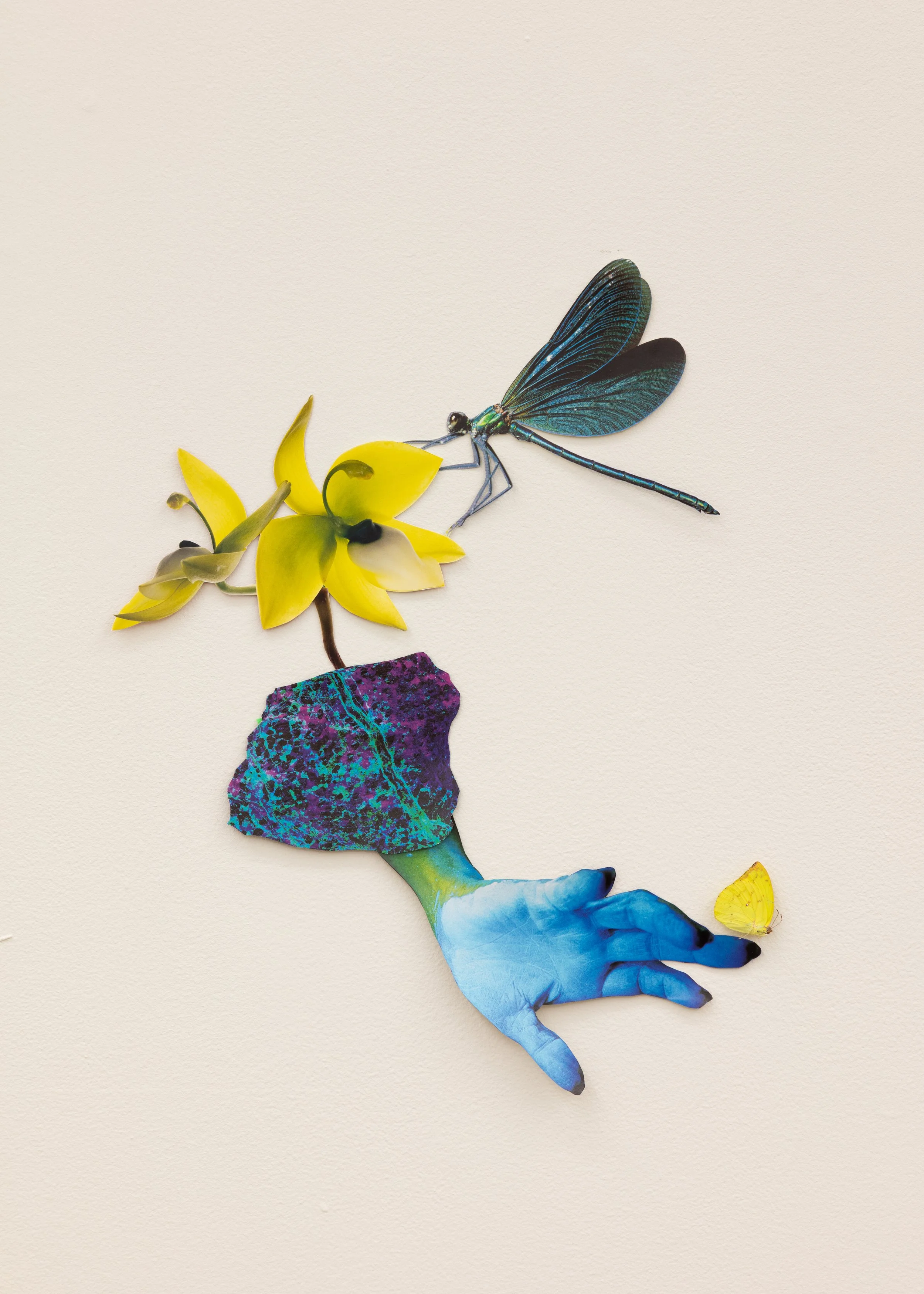
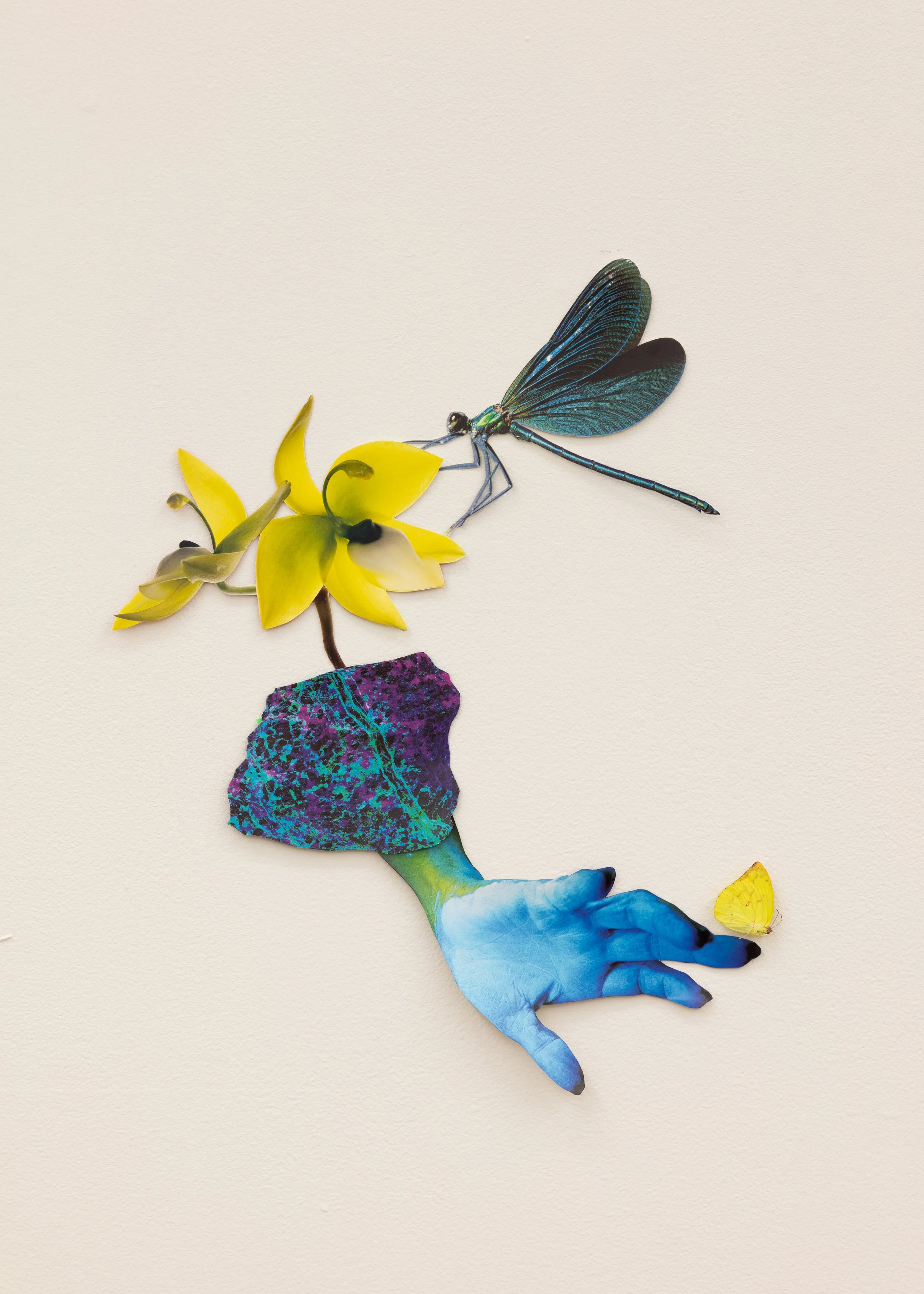
Overcoming the Body, used book paper collage, butterfly specimen, 20 x20 inches, 2025
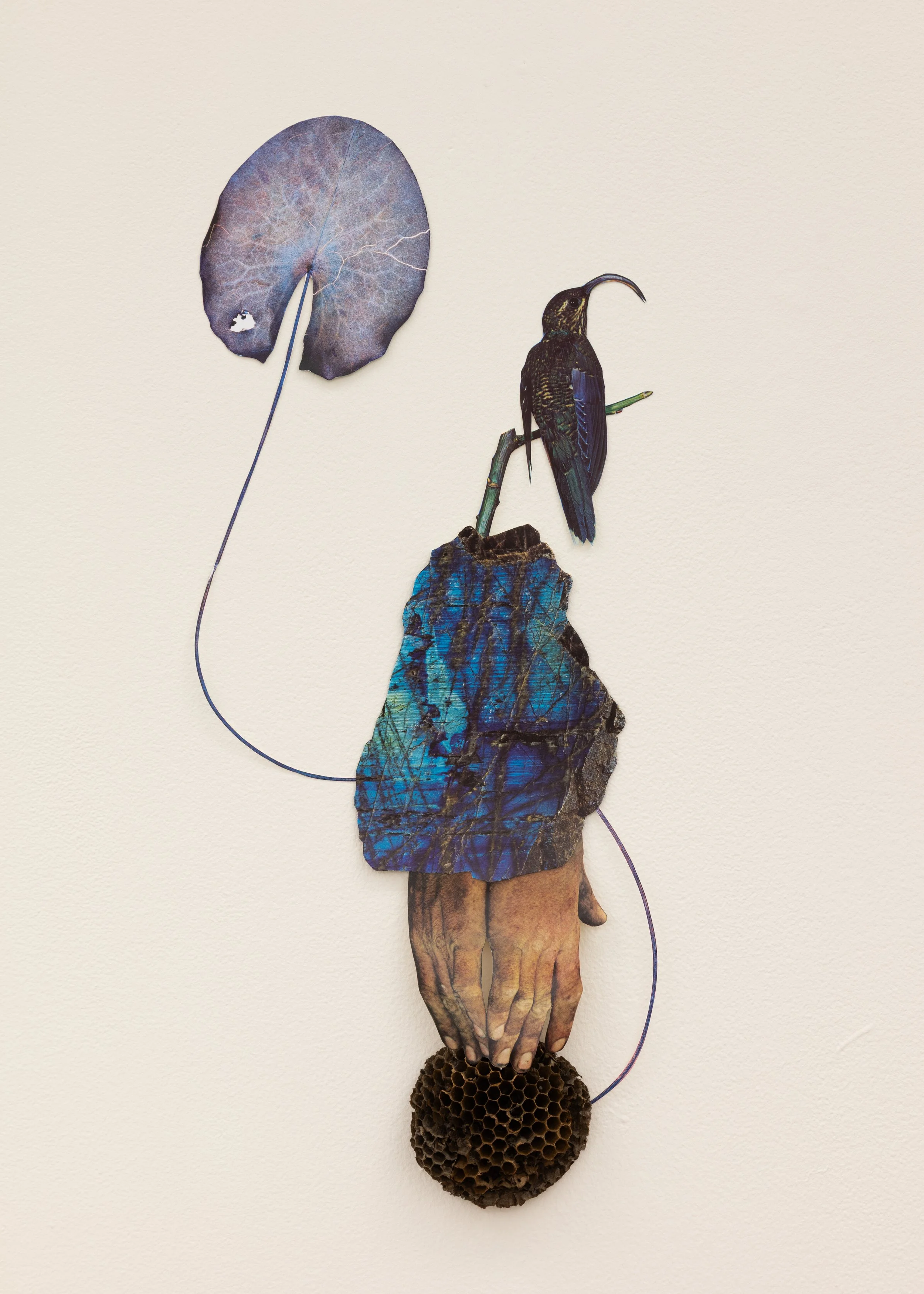
Faith in Life, used book paper collage, honeycomb, 16 x 18 inches, 2025
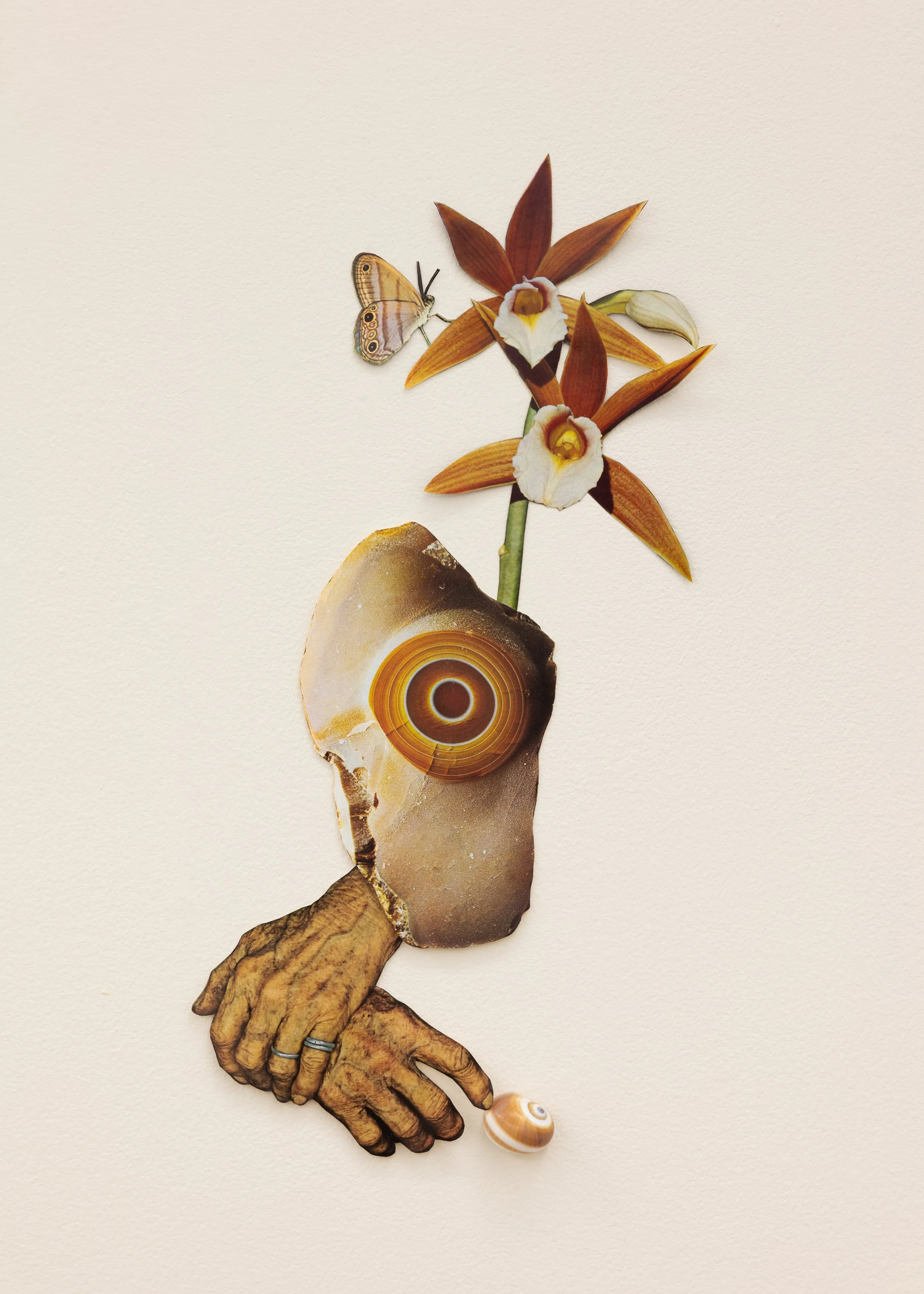
Woven Together, used book paper collage, shell, 16 x 24 inches, 2025
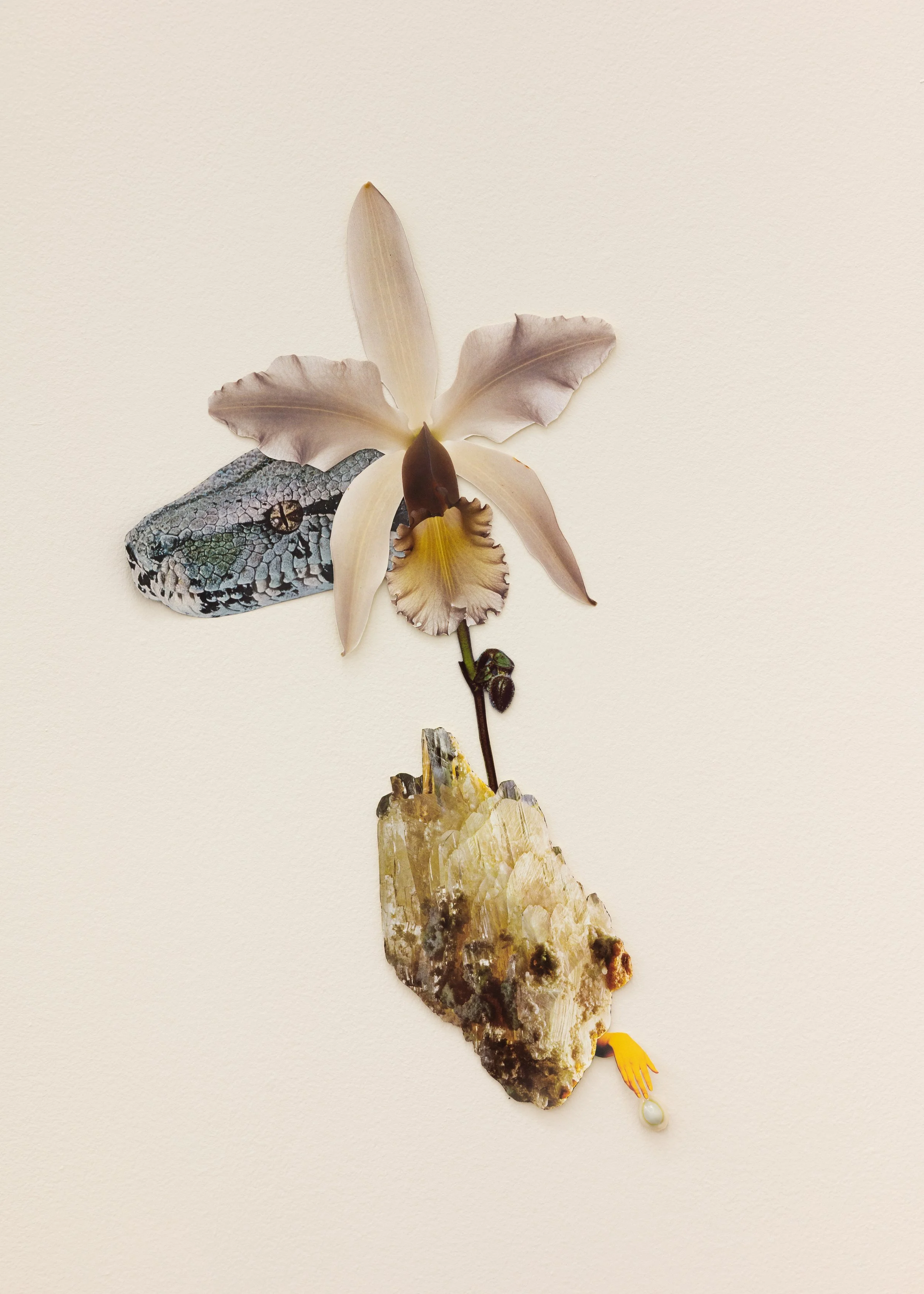
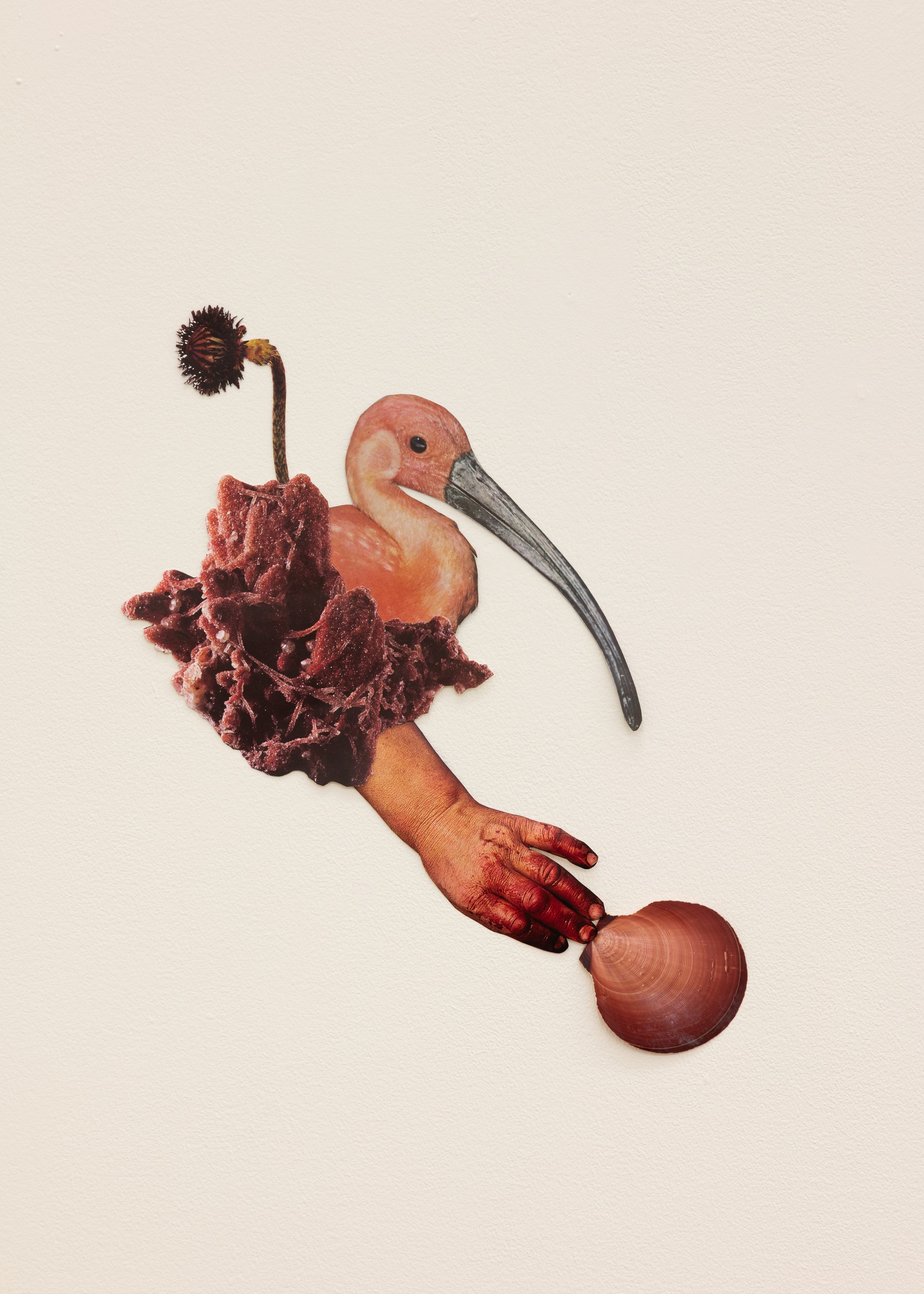
The small flower has much to tell us, used book paper collage, shell, 12 x 24 inches, 2025
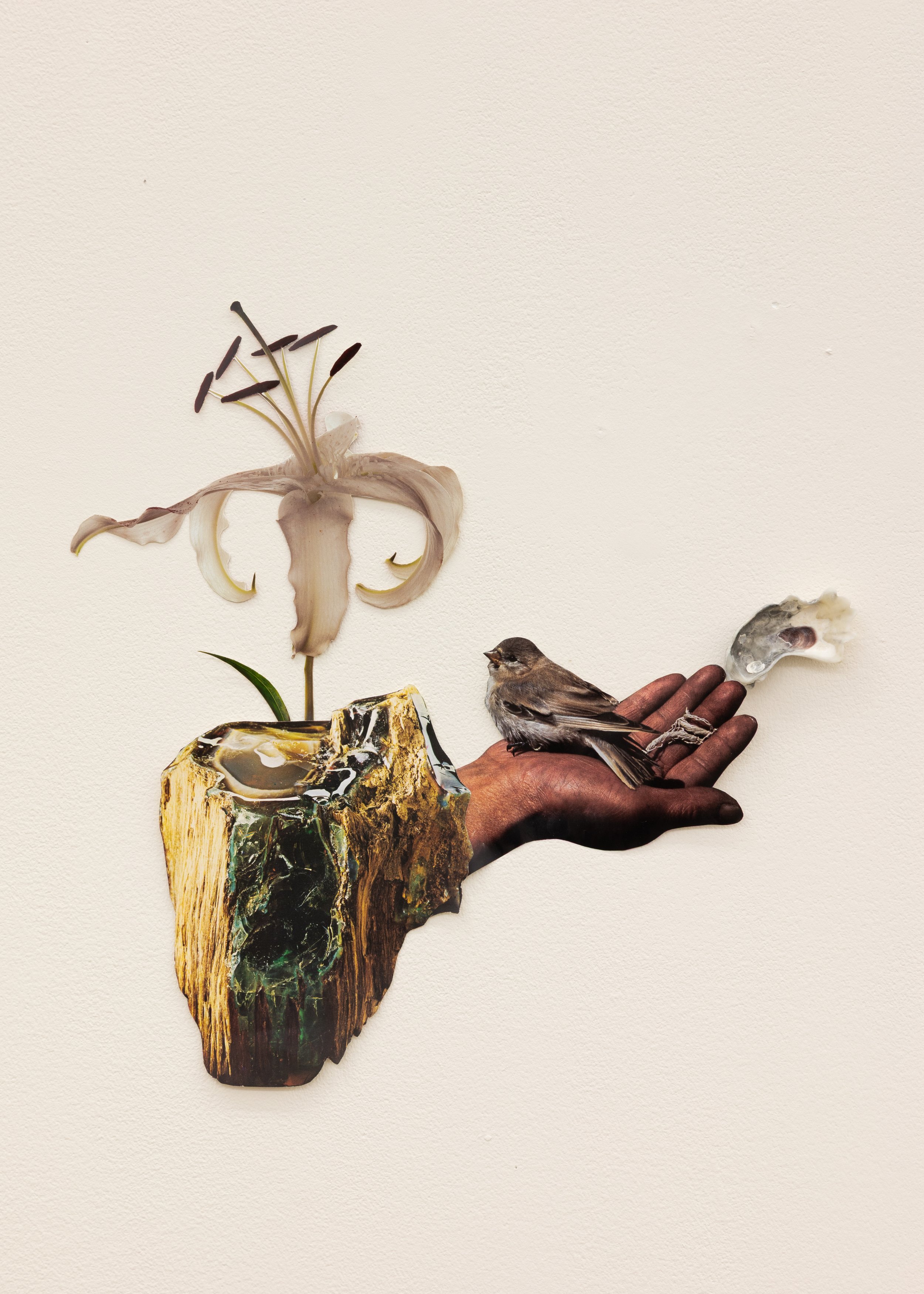
Longing for Balance, used book paper collage, shell, 20 x 20 inches, 2025
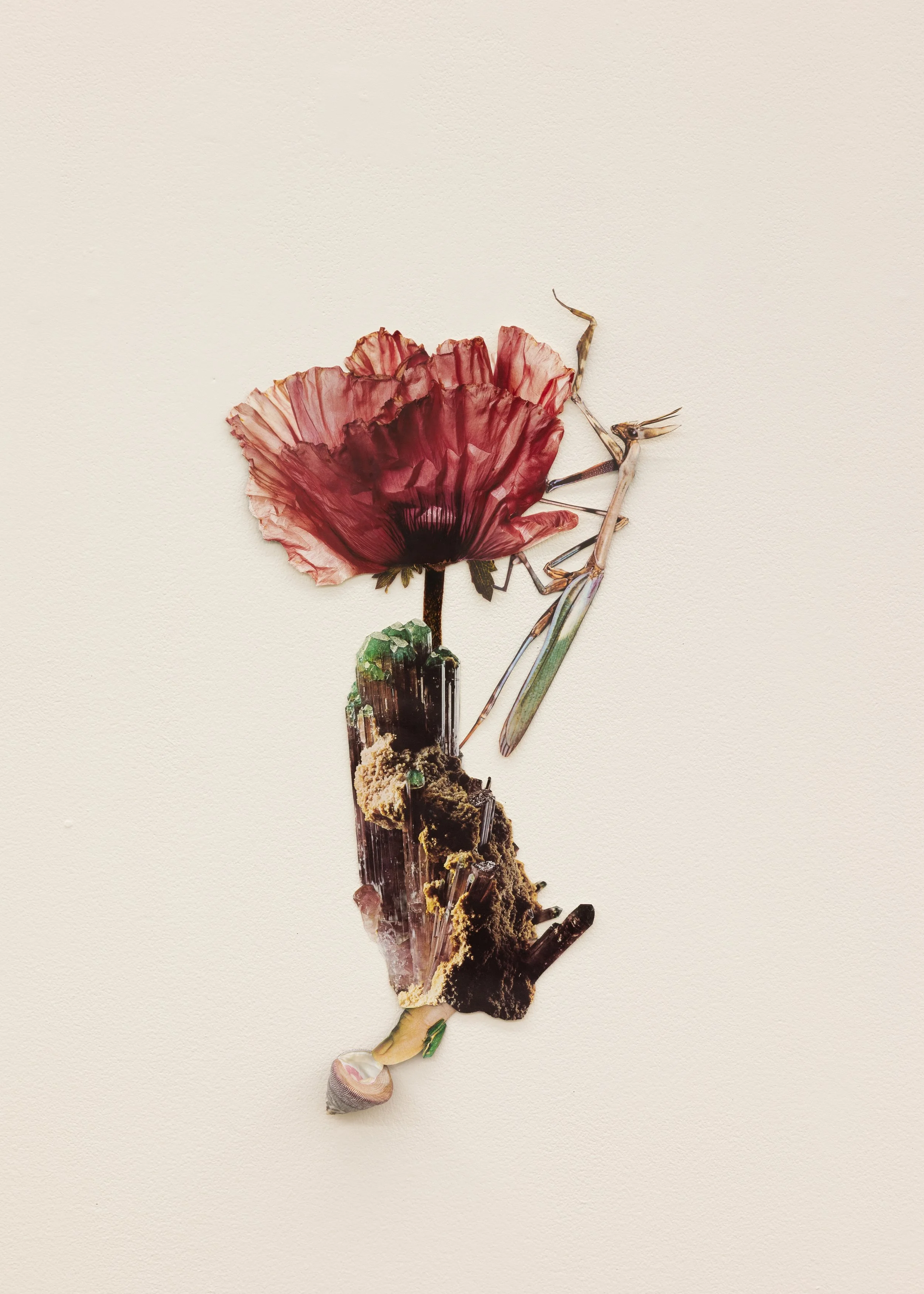
Entanglements, used book paper collage, shell 21 x 21 inches, 2025
Belief In Help During Mountain Climbing, used book paper collage, shell, 17 x 25 inches, 2025
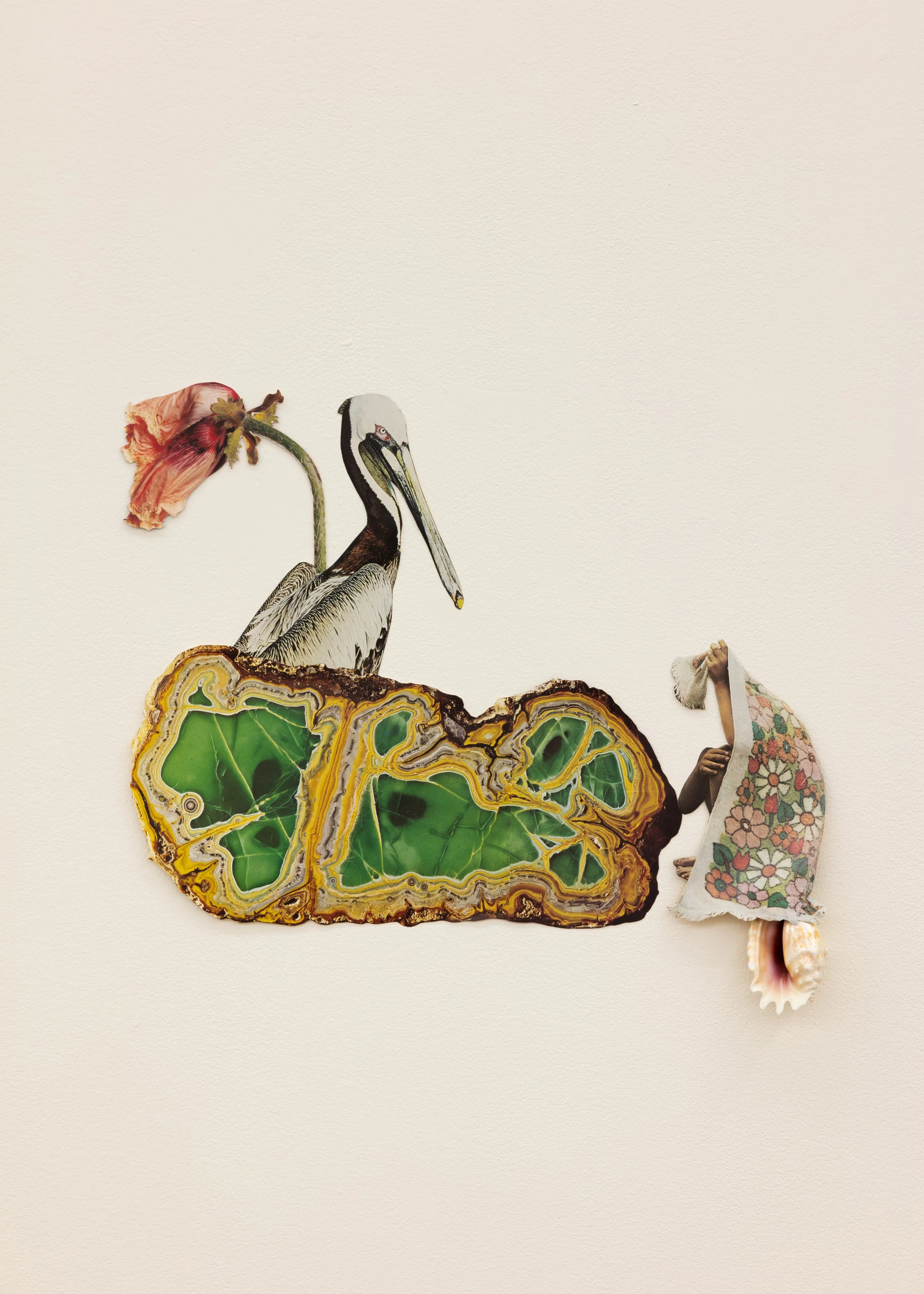
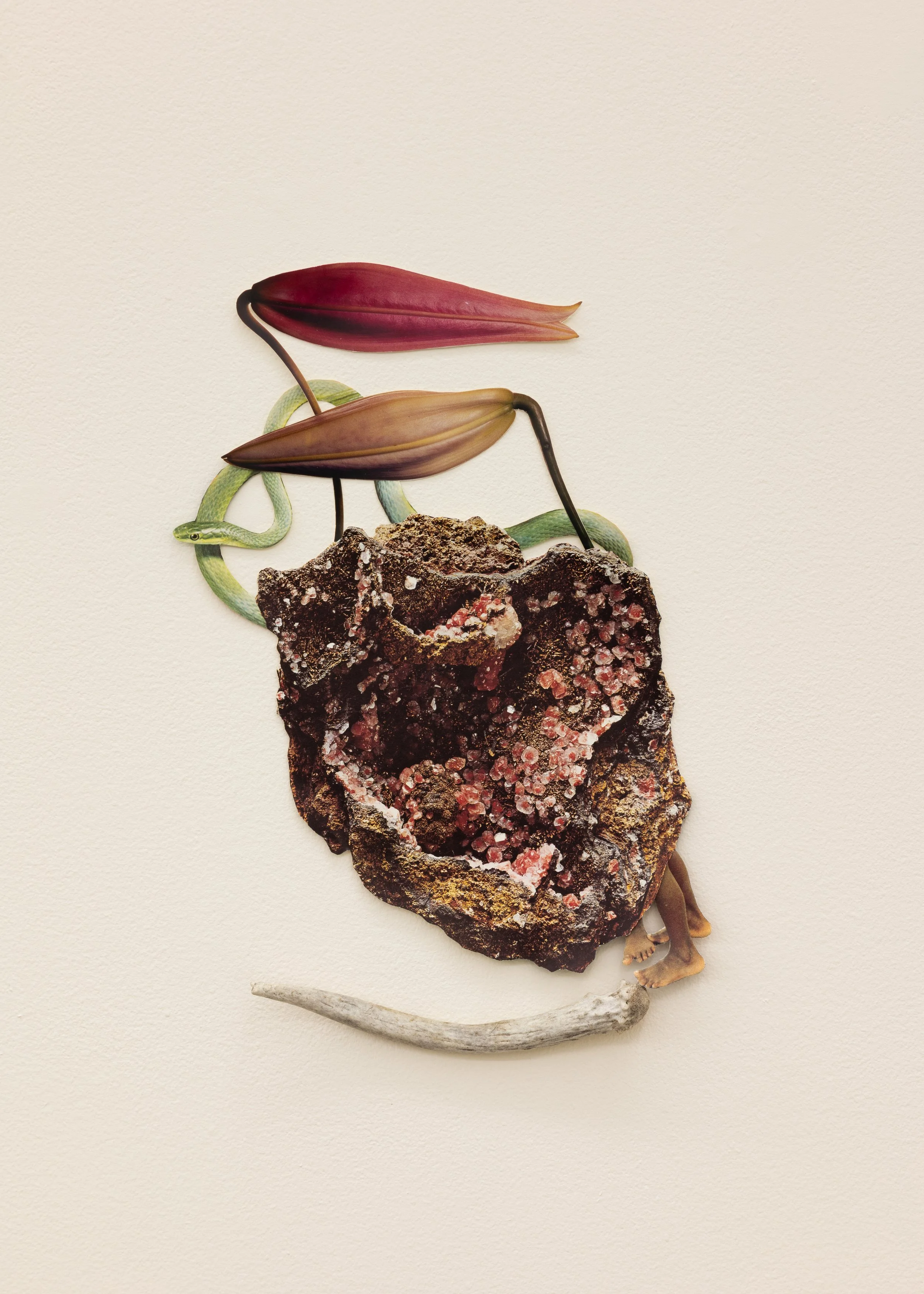
Change through Disobedience, used book paper collage, shell, 26 x 24 inches, 2025
What will Bind, used book paper collage, antler, 16 x 20 inches, 2025
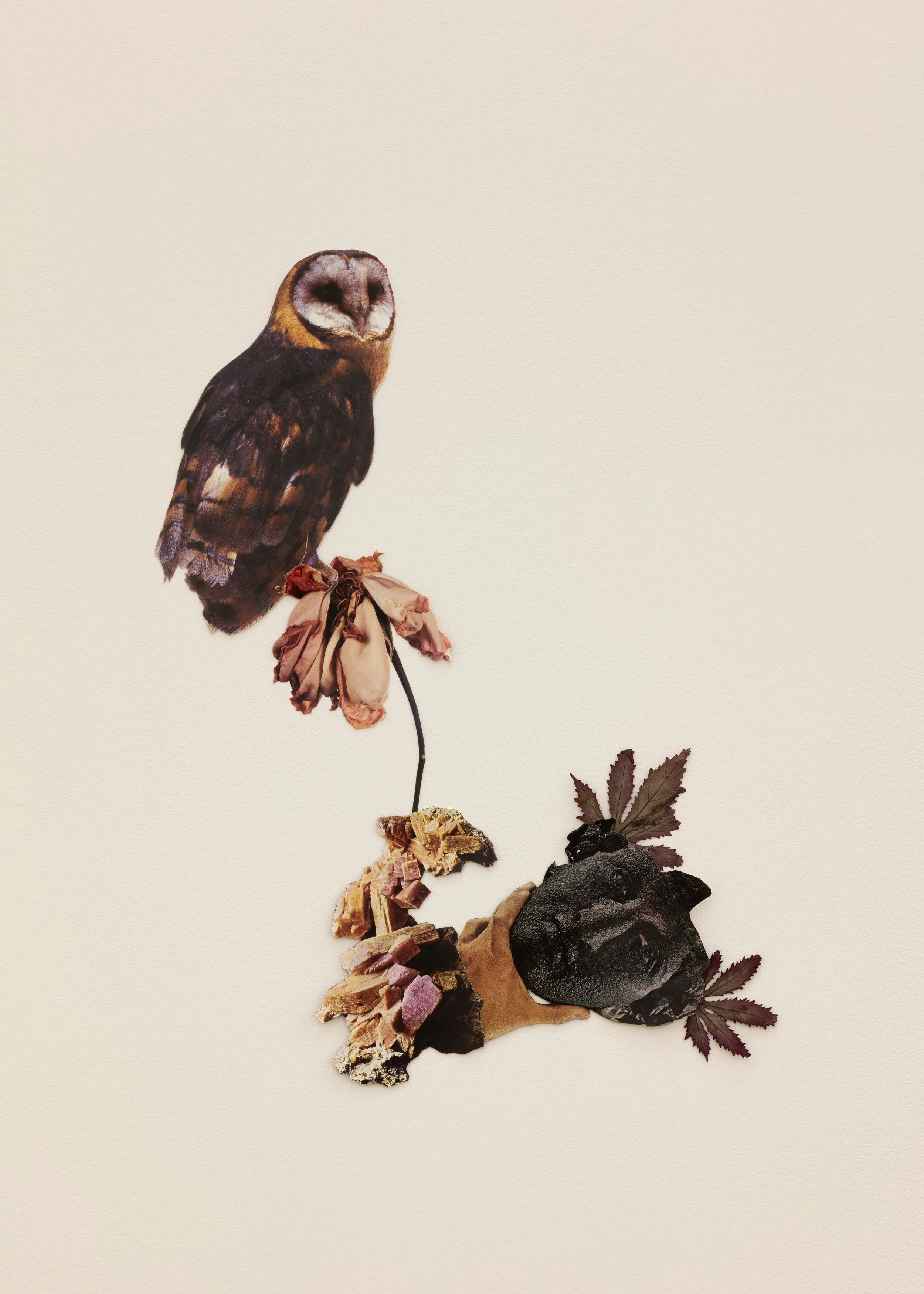
Insight into the Direction of the Road, used book paper collage, pressed Japanese maple, 24 x 28 inches, 2025
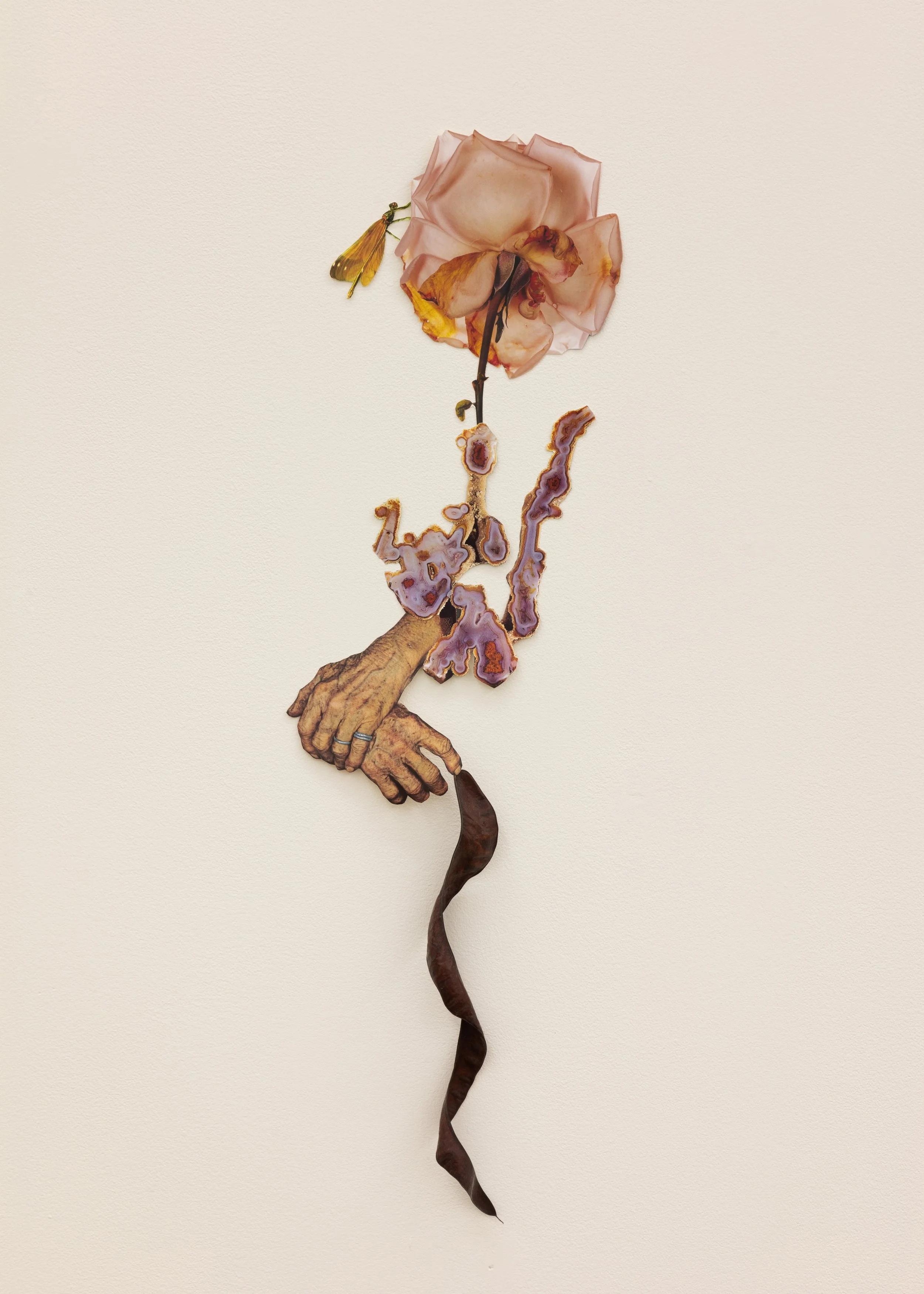
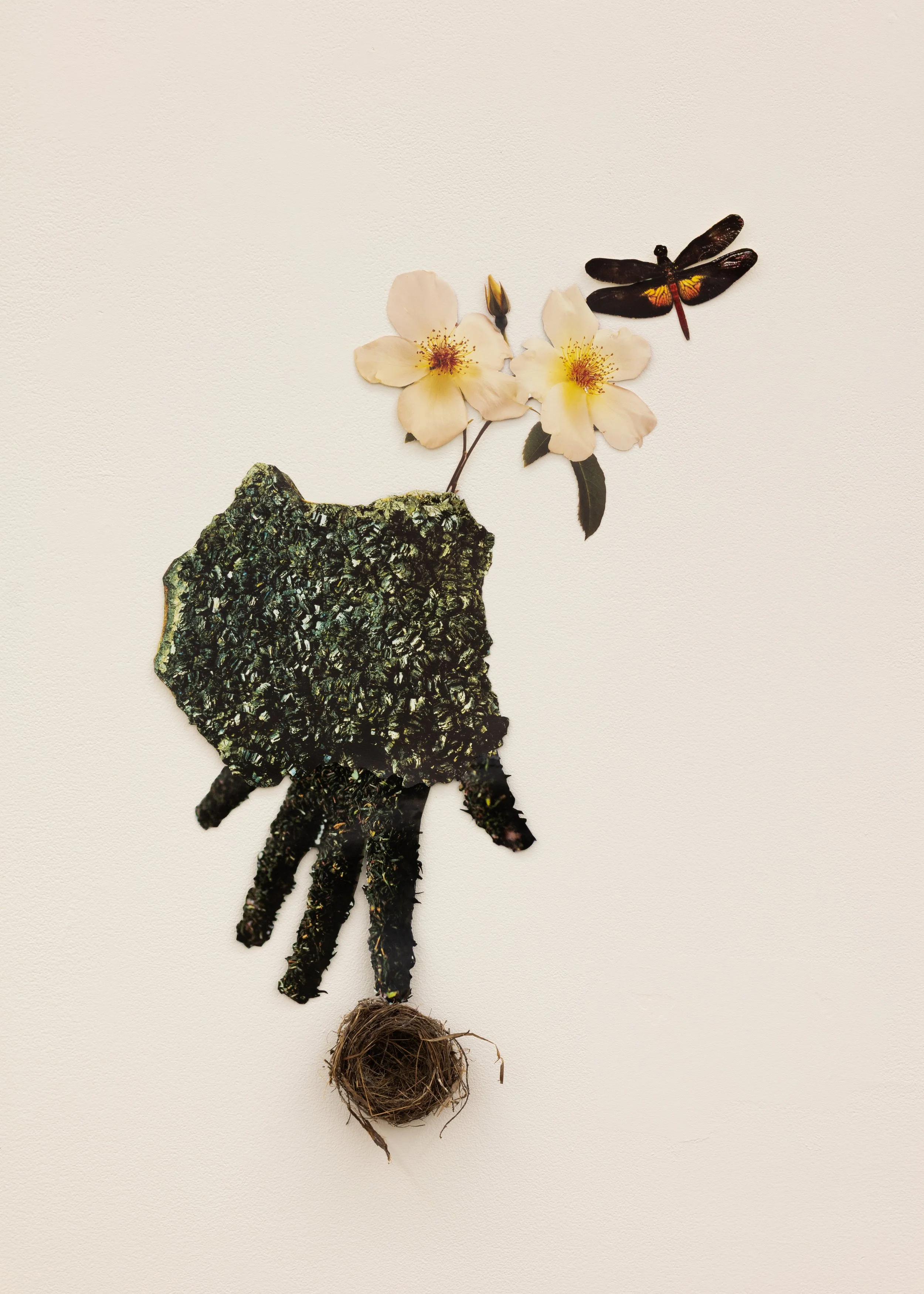
Sluggish Persistence, used book paper collage, Honey Locust seed pod, 15 x 40 inches, 2025
Longing to Create in Finer Matter, used book paper collage, bird’s nest, 20 x 28 inches, 2025
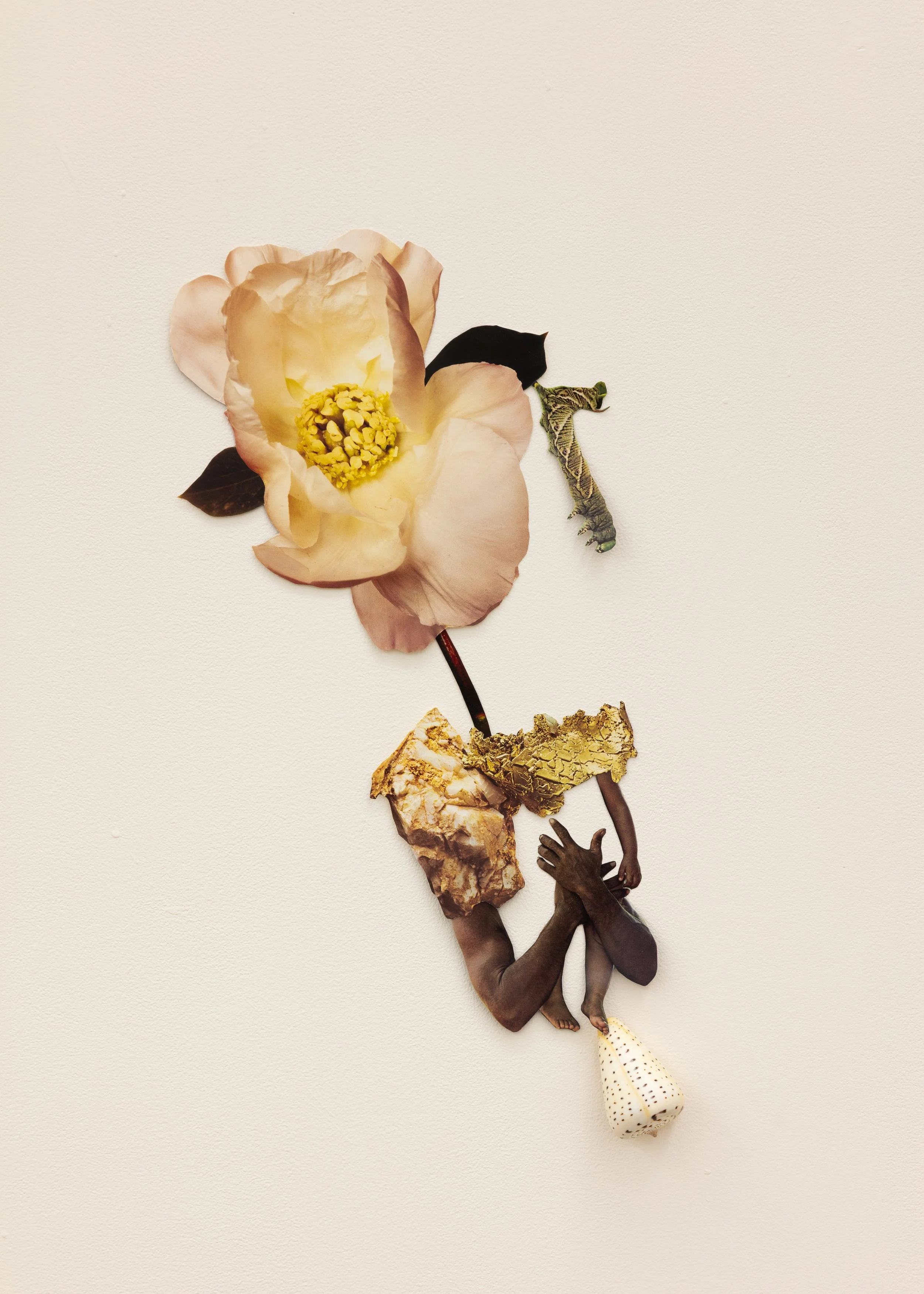
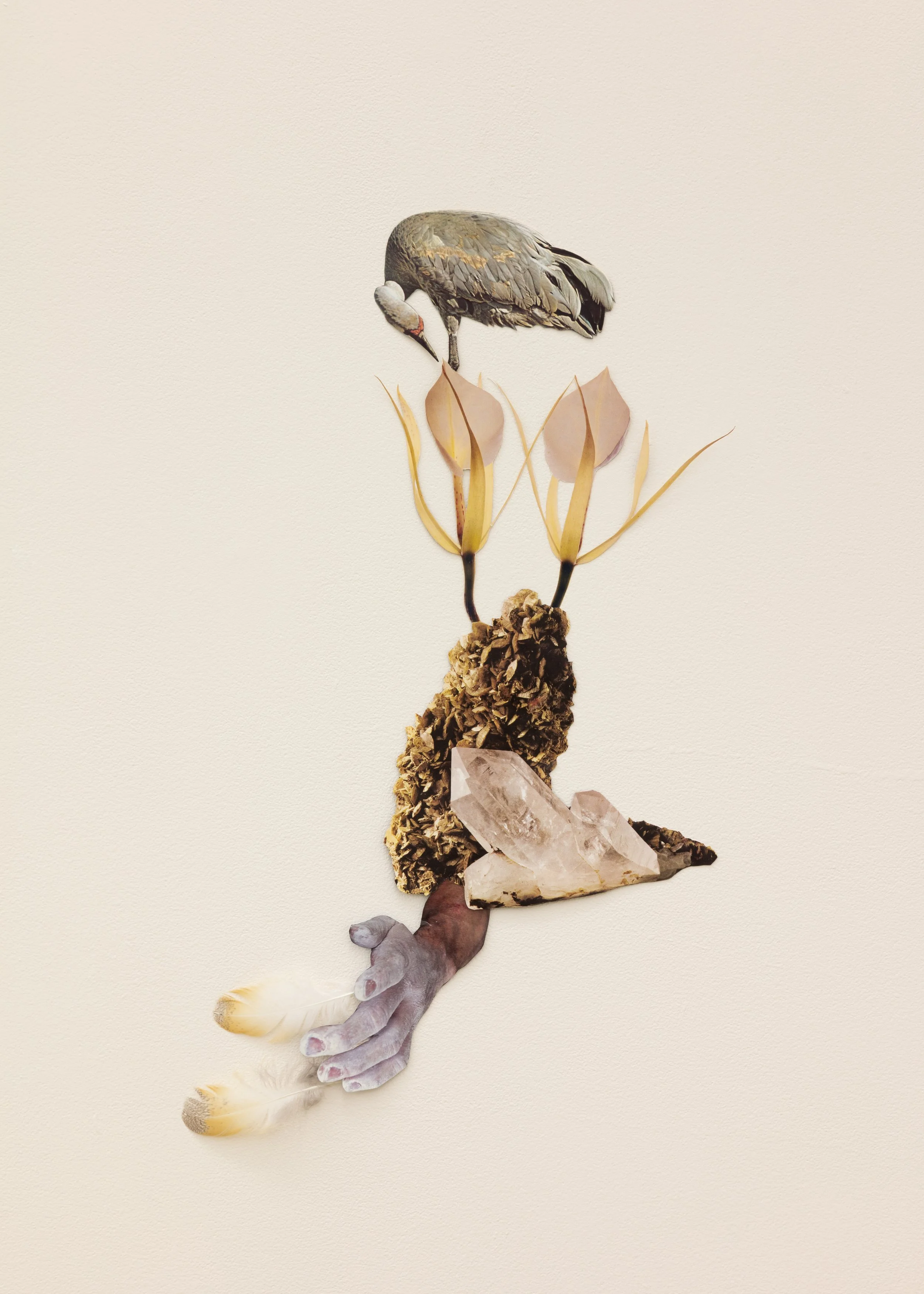
Longing for Tenderness, used book paper collage, shell, 18 x 25 inches, 2025
Longing for Light, used book paper collage, Barn Owl feathers, 20 x 28 inches 2025
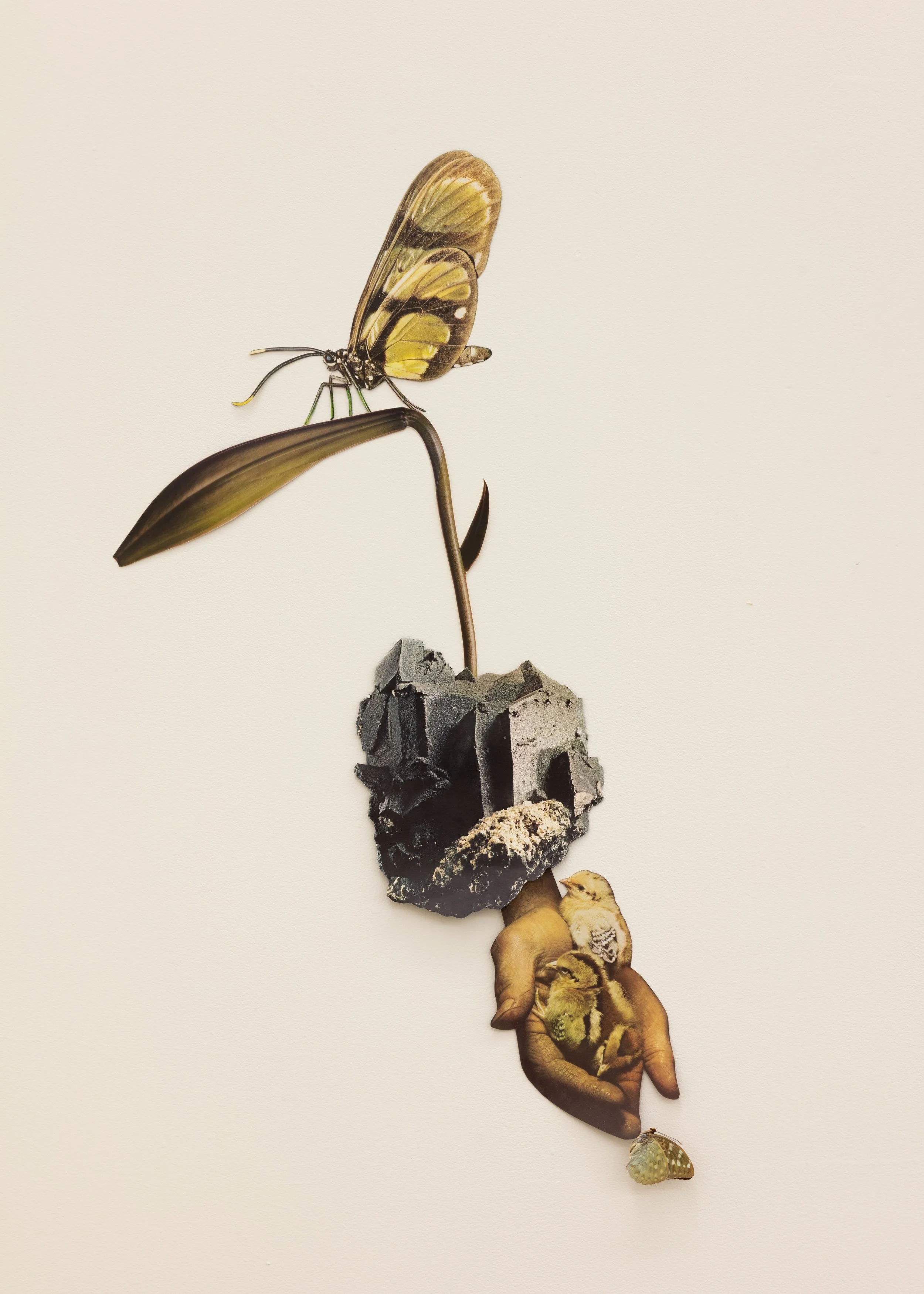
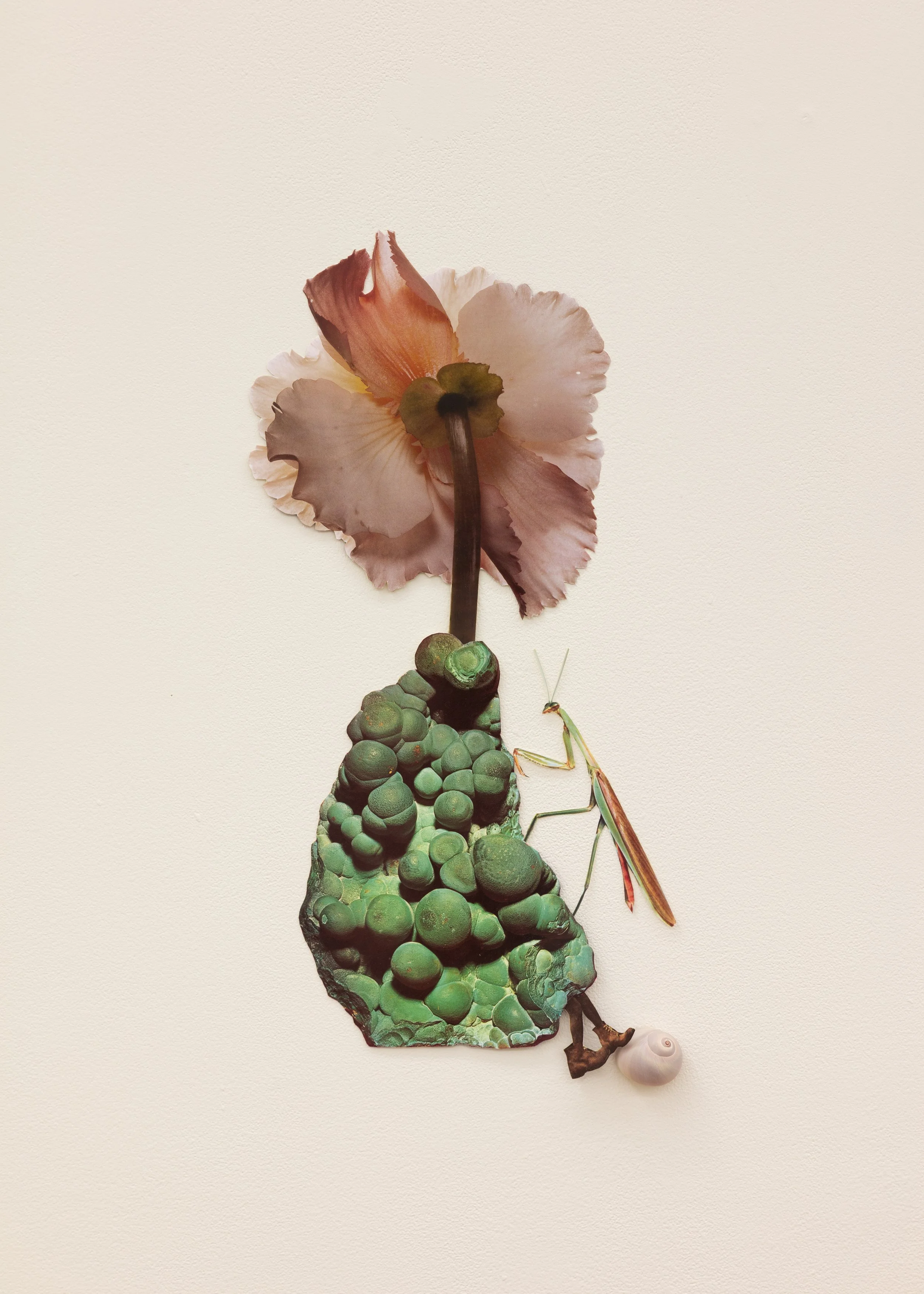
Sensitive Thoughts, used book paper collage, butterfly, 24 x 28 inches , 2025
Those Who Feel Joy, used book paper collage, shell, 16 x 25 inches, 2025
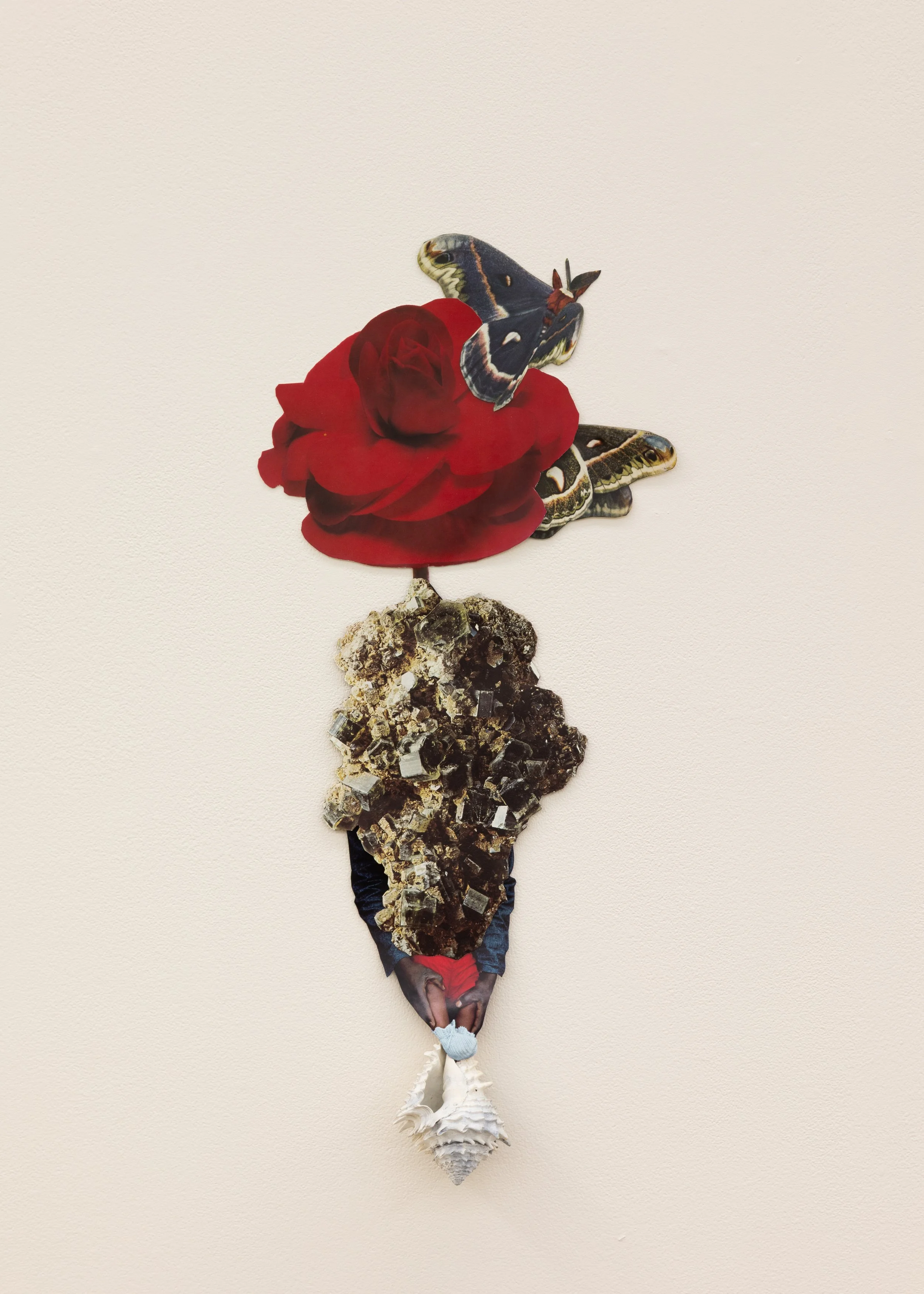
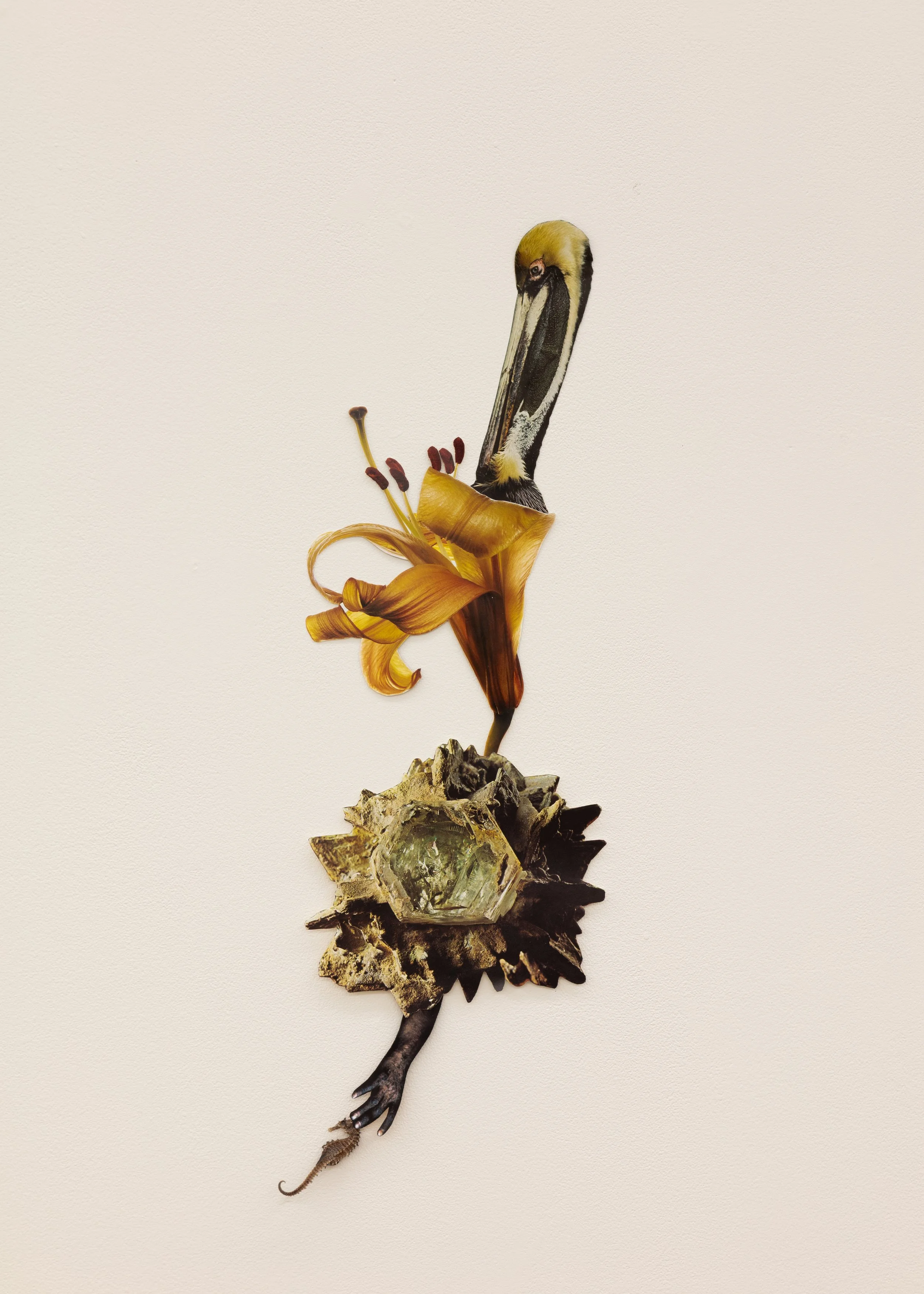
Renunciation of the Self for Future Generations, used book paper collage, shell, 16 x 28 inches, 2025
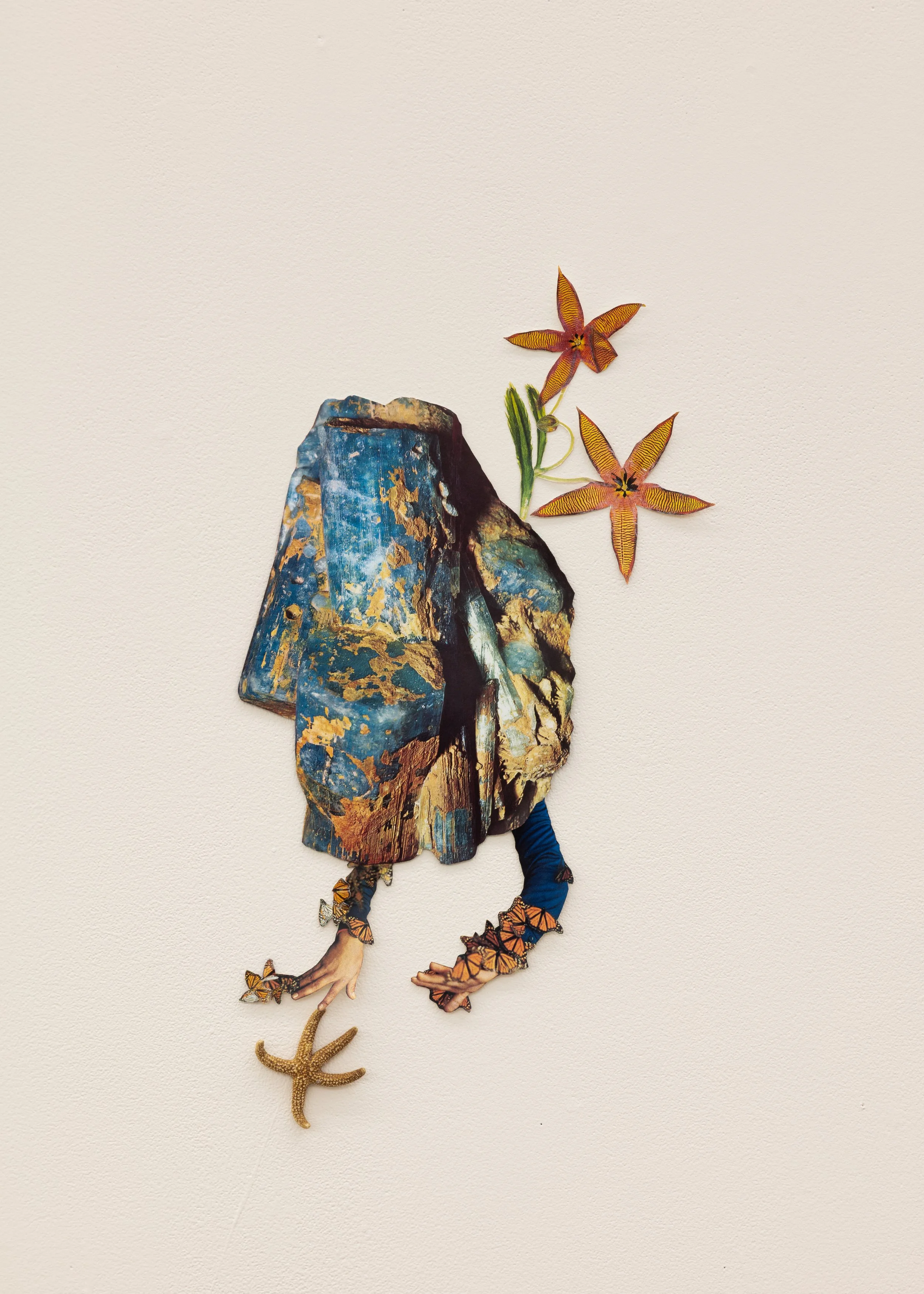
Fragmentations, used book paper collage, seahorse, 14 x 30 inches, 2025
Longing to Restore, used book paper collage, starfish, 16 x 24 inches, 2025
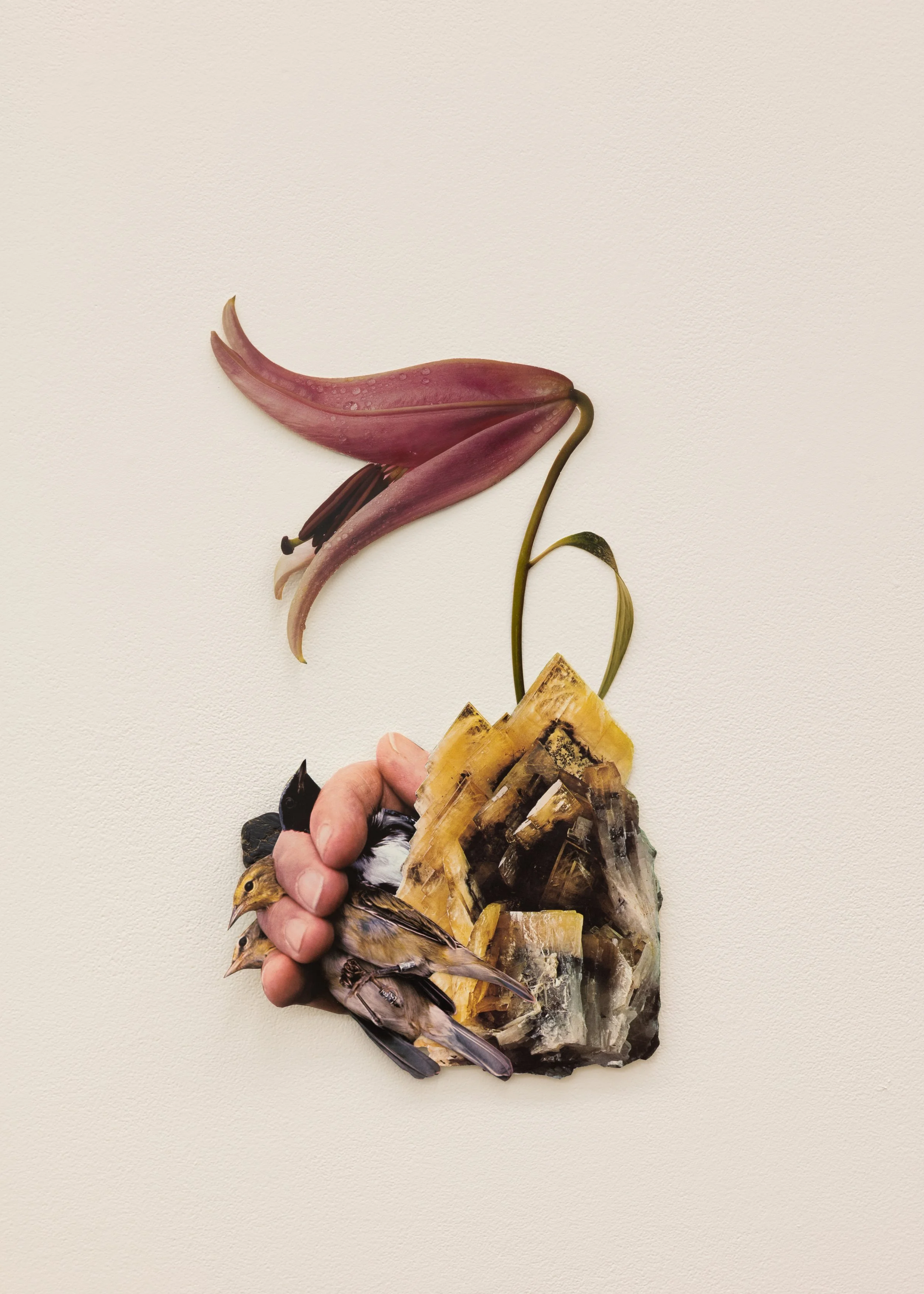
To Hold Dust, used book paper collage, coal, 15 x 22 inches, 2025
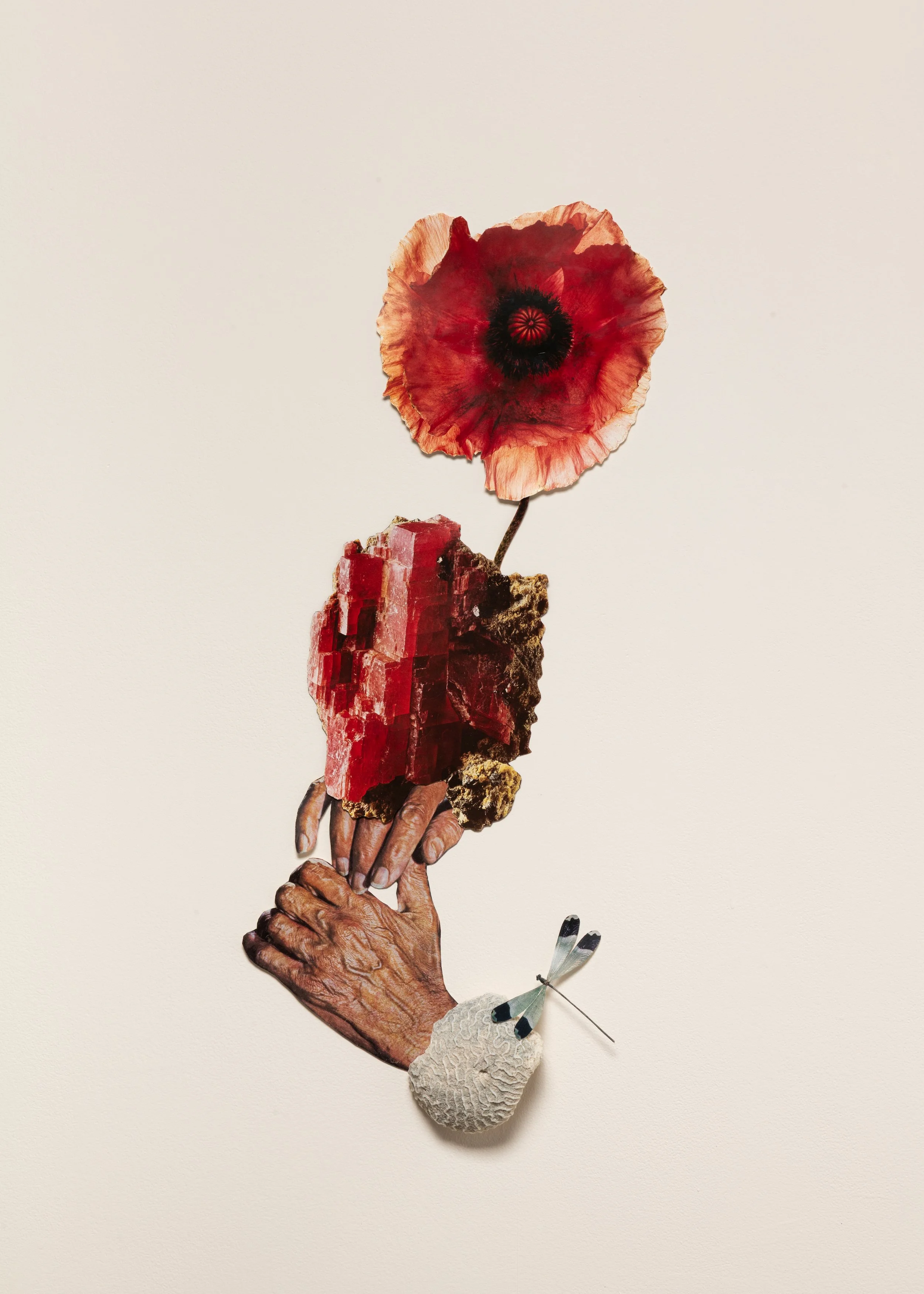
To make our way to that bright world again, used book paper collage, coral, 30 x 15 inches 2025
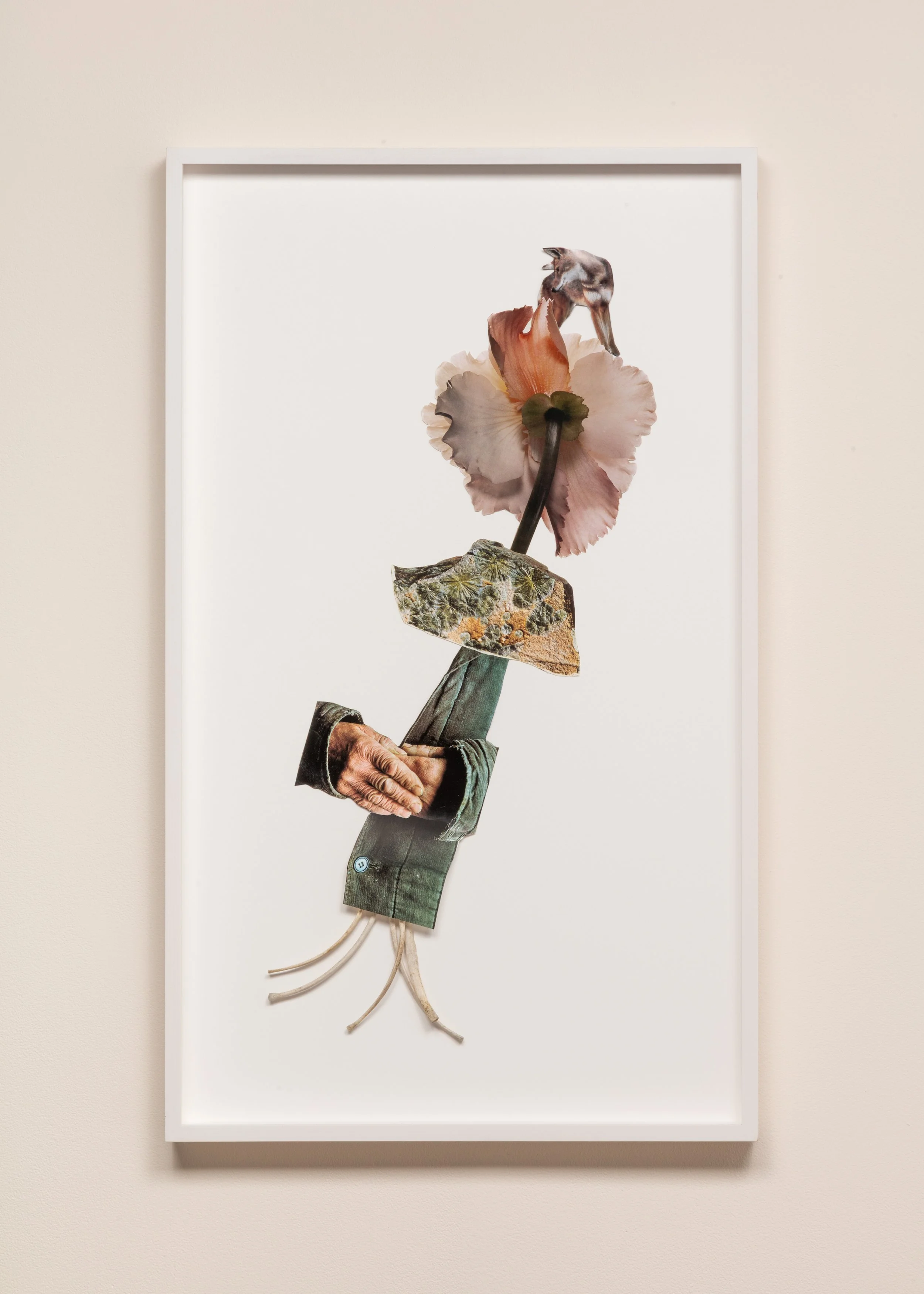
Unscheduled Appearance, used book collage, wolf bones, 35 x 21 inches, 20224
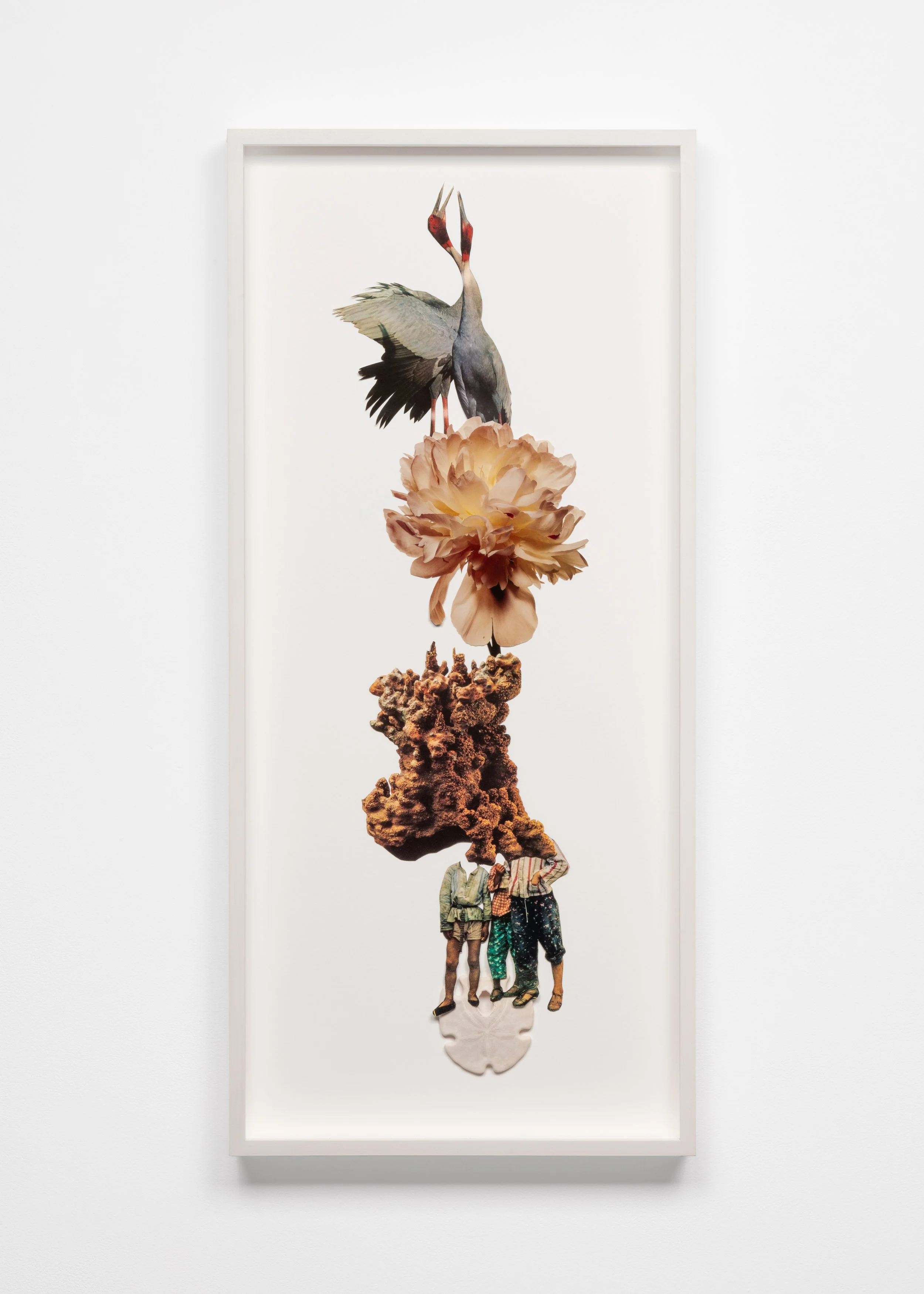
Self-Willed Communities, used book paper collage, sand dollar, 37 x 17 inches, 2024
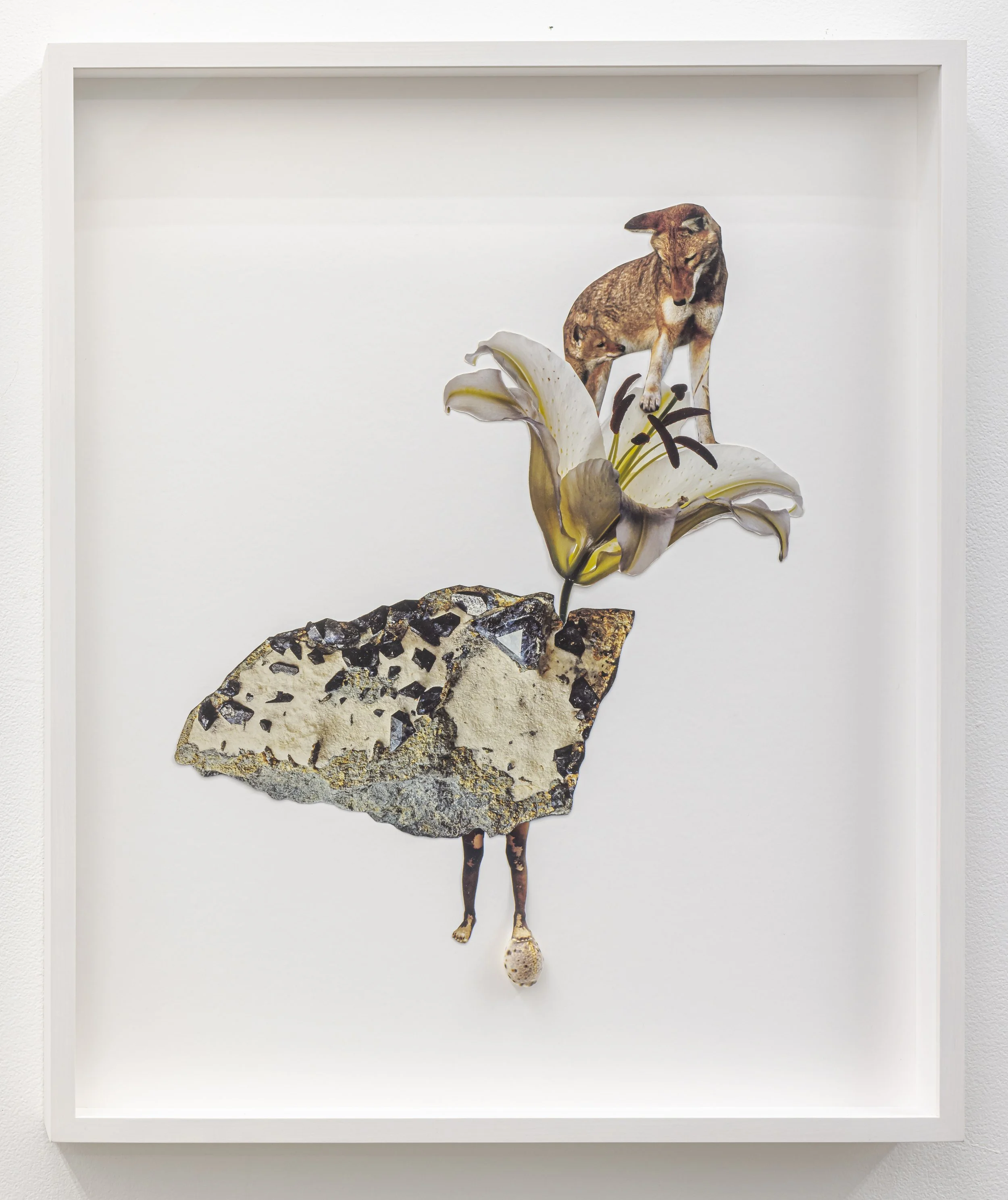
Buffer Zones, used book paper collage, shell, 25 x 21 inches, 2024
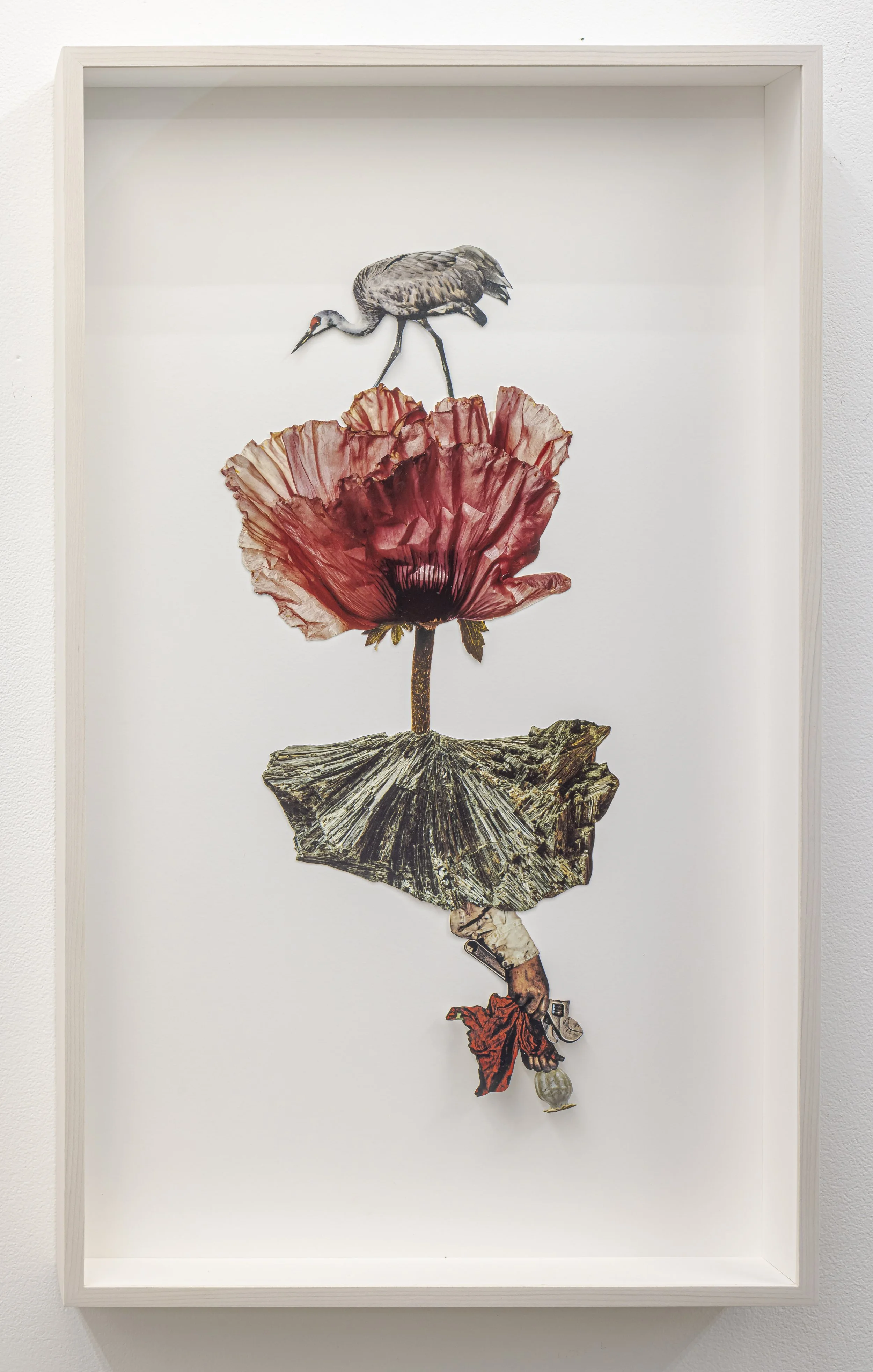
Seed Rain, used book paper collage, poppy pod, 30 x 18 inches, 2024
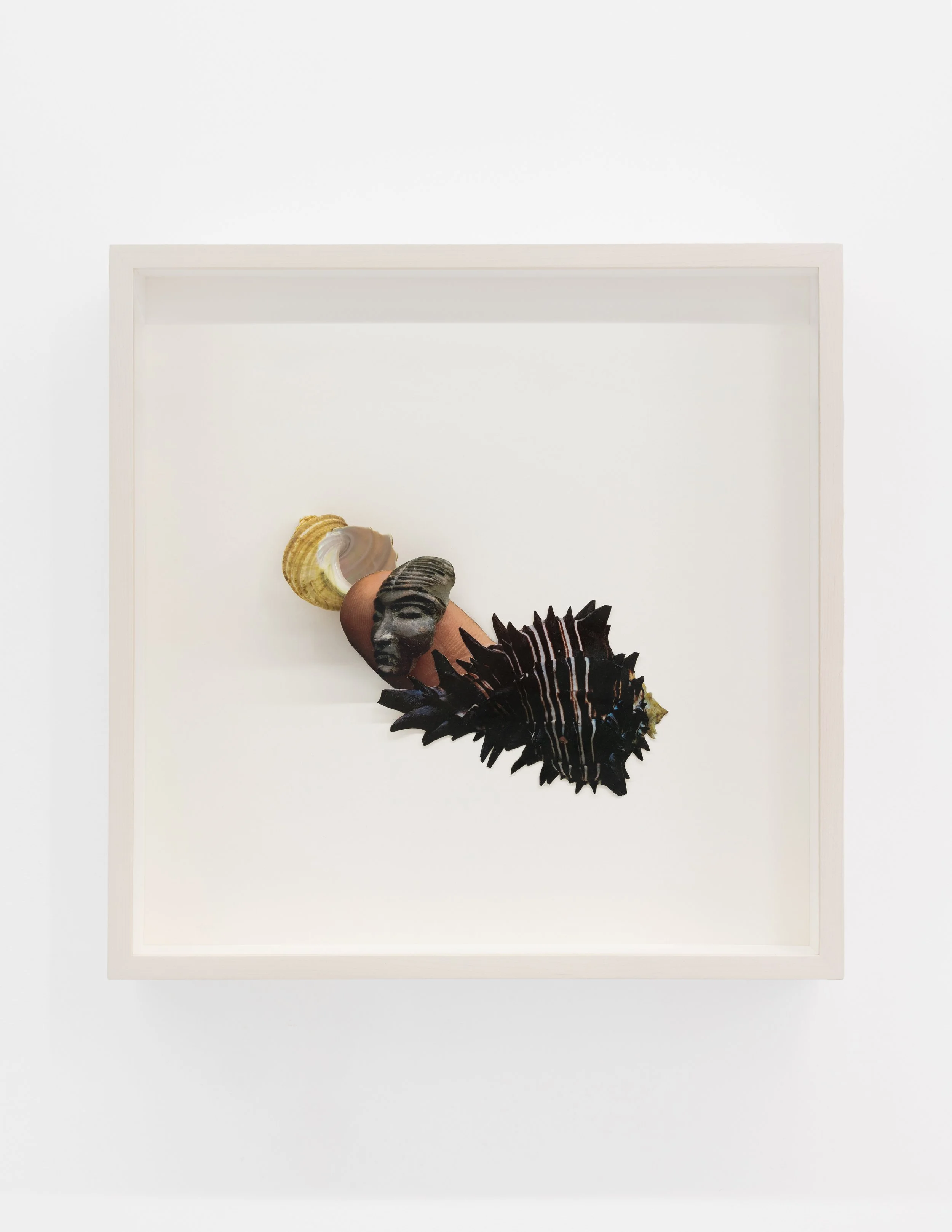
For Hannah, used book paper collage, shell, 14.5 x 14.5 inches, 2025
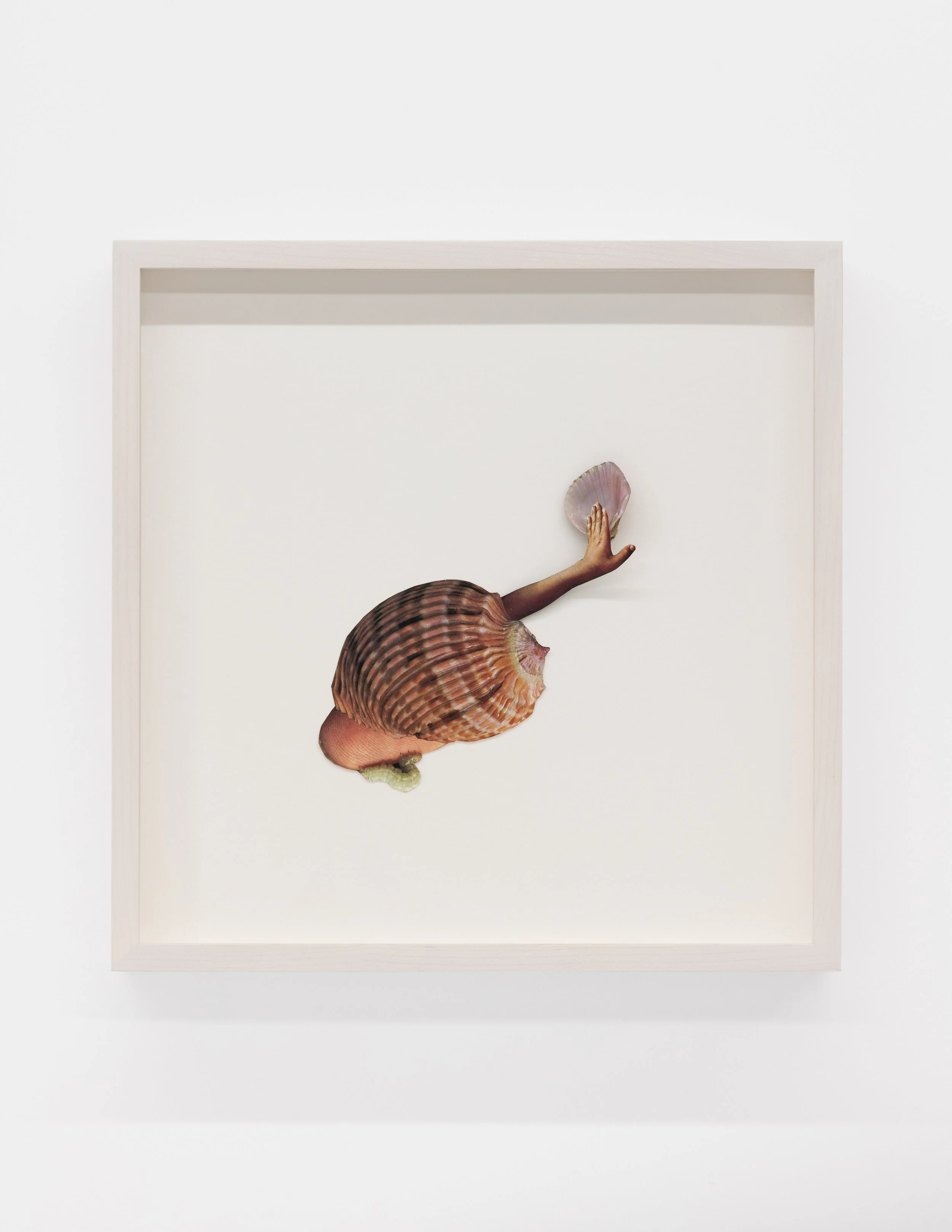
For Dora, used book paper collage, shell, 12.5 x 12.5 inches, 2025
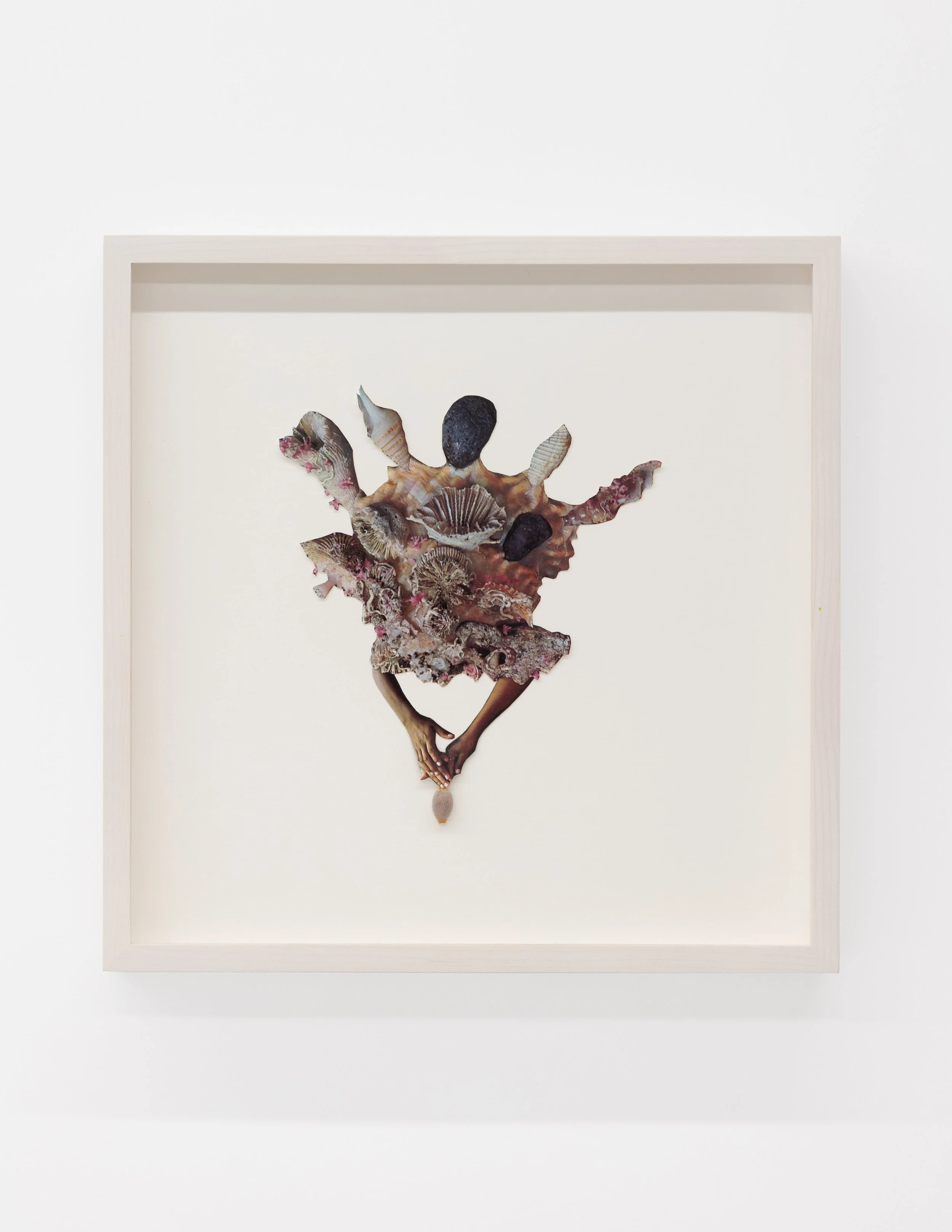
For Tina, used book paper collage, shell, 12.5 x 12.5 inches 2025
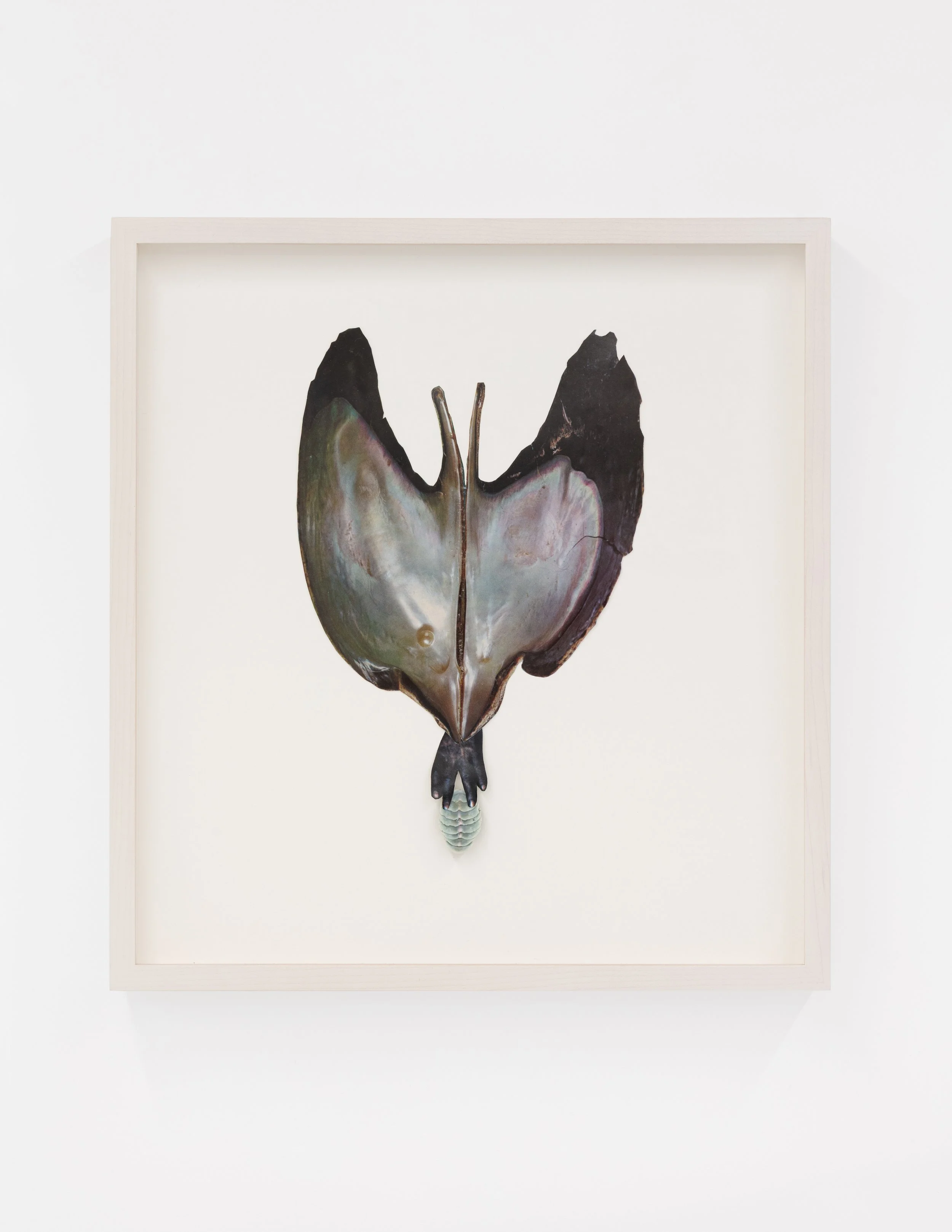
For Janina, used book paper collage, shell, 14.5 x 13.5 inches, 2025
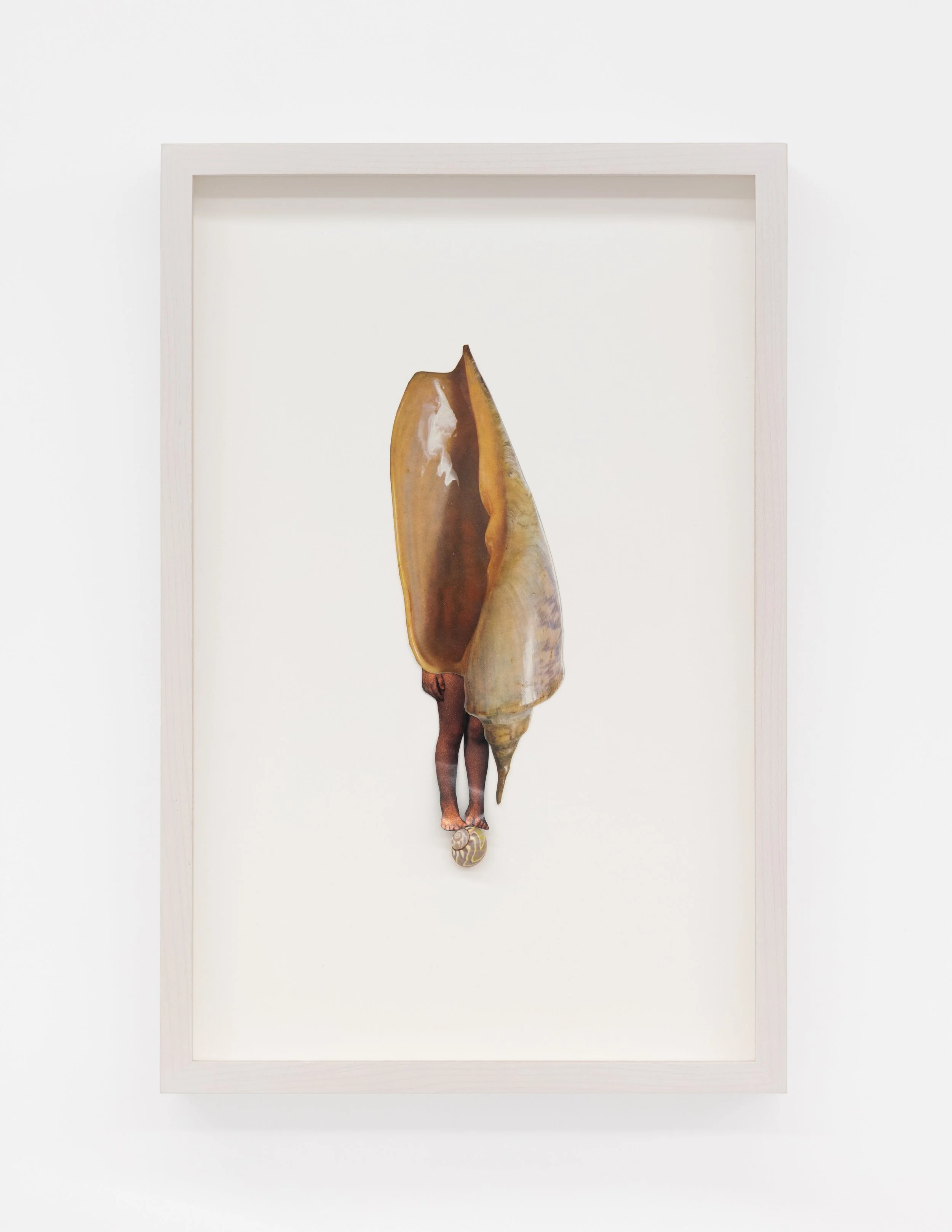
For Dorothea, used book paper collage, shell, 14.5 x 9.5 inches, 2025
Jennifer Murphy at Clint Roenisch Gallery
ARTORONTO.CA
December 14, 2025 - January 31, 2026
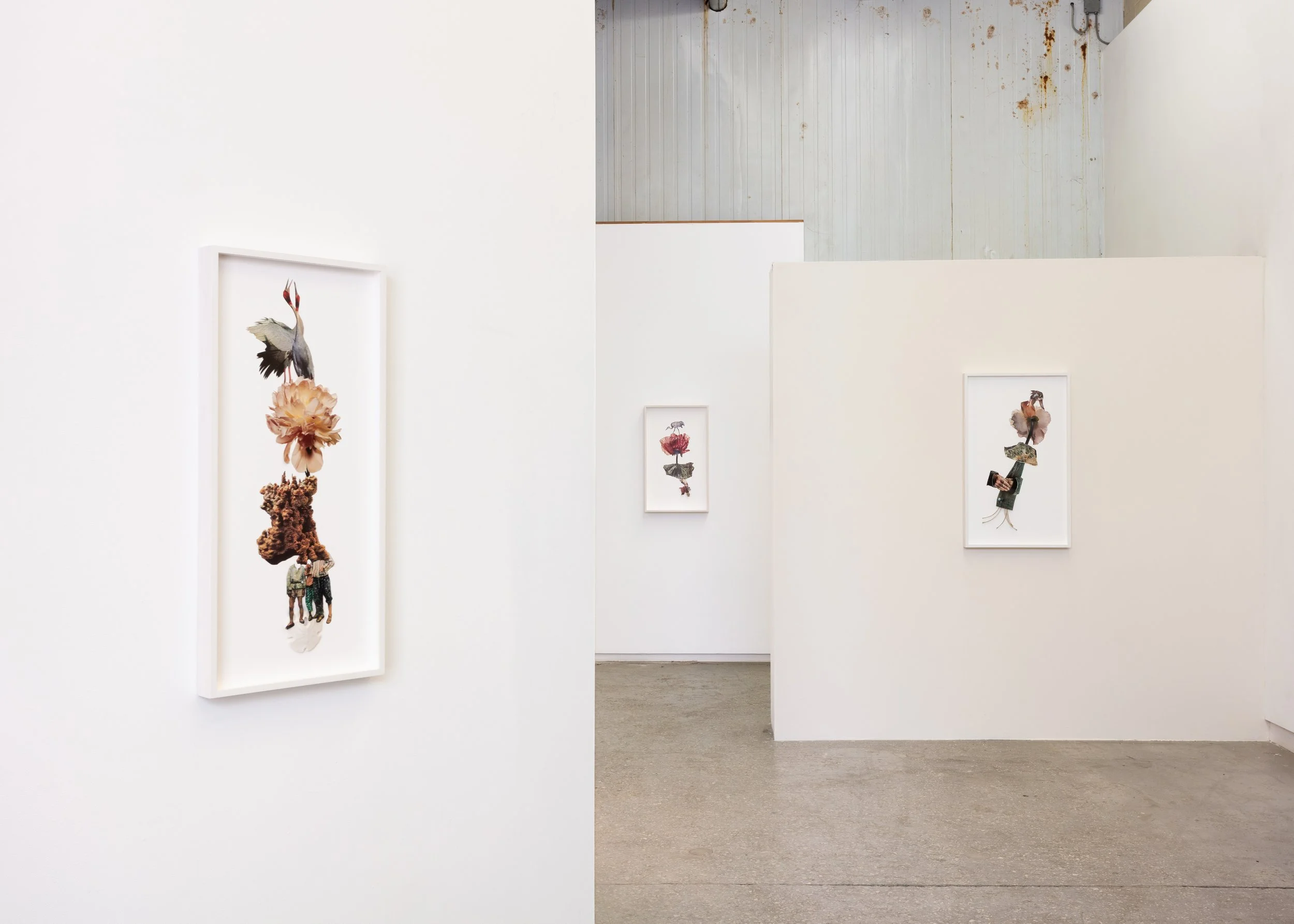
This is the second opportunity I have had to review Murphy’s work, again at Clint Roenisch Gallery. As I remarked previously, her work sits on the margins of contemporary art practice, insofar as we can speak of the mainstream in art any more. She collects printed images from natural history books and magazines, and also small items from nature – shells, fossils, seed pods, feathers and so on. Using these she assembles delicate minimal collages. Each assembly is a poem about the natural world and our relationship to it. They reflect her abiding fascination with ecology and natural history. It is difficult to decide if she is a natural historian making art or an artist doing natural history. Of course, the two might not be mutually exclusive – it could be a false dichotomy.
Her poems, as I have chosen to call them, are in essence constructed from readymades. And it is no accident, I feel, that her practice in this sense parallels those of some of the Dada movement in the early twentieth century. Dadaist Tristan Tzara, for example, explained how to make a Dada poem: First find a newspaper article, cut out all the words individually, place them in a bag, shake them up and pick out the words one after the other – the order they randomly come out produces the desired poem. Likewise Murphy cuts up images from chosen books and magazines. Although how she combines them, unlike the Dadaist, is not determined by chance.
Dada arose in reaction to the seismic political and economic upheavals of the time, while the First Great War was underway. Events reached an absurdity of tragic proportions. Politics became a cruel spectacle full of hate and wanton destruction, driven by the greed of the ruling class – pleonexia, as I have heard one commentator, named Richard J. Murphy (coincidentally), aptly call this phenomenon. Ditto today. She is motivated, as she explains, by ‘our current world full of converging emergencies including the rise of fascism, disinformation, war and forced displacement, grave inequality, resource depletion, and the climate disaster, which are all exacerbated by colonial, capitalistic, and extractive forces.’ A veritable litany of woes.
The tone of Murphy’s work is very different from that of the Dadaists, whose brash performances and blatant absurdity reflected that of society at large. Murphy’s is more a lament – a hushed tone that is easier to pass over. She points to the fact that we are bounded by nature and the chaotic forces that drive it. In nature there is a procession of extinctions, as life-forms spring up and disappear with an inevitability that parallels our own births and deaths. Accordingly, she talks of interdependencies in between ourselves and the rest of nature, and declares that through her work she hopes “to highlight our role and responsibility to the world’s fragile ecosystems and one another by harnessing an attentiveness through beauty, levity and wonder”.
The qualities of ‘beauty, levity and wonder’, that Murphy strives for, contrast with the Dadaists’ expressions of anger and dismay. For them events pointed to the absurdity or meaningless of life, hence their celebration of nonsense poetry for example. The civilization we have constructed, by so-called rational means, is in fact ‘logically nonsensical’, to paraphrase Hans Arp. Murphy’s reaction to our current crises couldn’t be more different. Her work shares none of the didacticism of the Dadaism, its overt politics. Rather, she aims for pathos – a sense of wonder and tenderness. She appears to see in nature a path to redemption, based on a secular version of the thought expressed by Samuel Coleridge when he wrote, that on observing nature, ‘shalt thou see and hear the lovely shapes and sounds intelligible of that eternal language, which thy God utters, …’ (Frost at Midnight). According to Murphy: “To navigate and survive our world today and to grasp these complex interconnections inherent to it we must embrace solidarity, empathy, wonder, and a radical persistent resilience to imagine a more caring, collective future”. These are qualities she wishes to encourage us to value.
Collage and ready-mades are media that lend themselves to conceptualism, be it in the intellectual form of Marcel Duchamp or the political messaging of Hannah Höch, for example. In particular, they suited Duchamp’s rejection of the retinal, i.e., the aesthetic qualities of art. But clearly Murphy’s collages are meant to be beautiful. Her visual haikus are so ‘retinal’, in fact, they crowd out any concepts underlying them. As artefacts in themselves – imagine their being excavated centuries into the future, say – they are not readily relatable to the political and ecological crises she lists. But that is fine since they nevertheless succeed in expressing the wonder and beauty of the natural world, and ourselves as part of it. In this sense, her demonstrable passion for, and commitment to, nature is infectious.
Hugh Alcock
Thank you to the Toronto Arts Council for your support.